Mountain Alliance for Pastoralists & Minority People
Facilitated by:

By Alfred Haxhari
Lezhë & Mirditë, Albania — March 25–27, 2026
The Fourth Albanian Rural Parliament, held in the municipalities of Lezhë and Mirditë, emerged as a landmark national and regional event under the theme “Europe in Rural Albania.” This year’s gathering not only addressed Albania’s rural development priorities but also positioned the country within a broader Western Balkans movement aimed at revitalizing pastoralism and strengthening cross-border cooperation.
Bringing together policymakers, civil society organizations, pastoral communities, and development experts, the Parliament emphasized that Albania’s path toward European Union integration must be rooted in inclusive rural governance, cultural heritage, and sustainable land use. Insights aligned closely with broader European data and perspectives highlighted by Minority Rights Group International through its Minority Map platform, which underscores the importance of empowering rural and minority communities across the continent.
A defining feature of this year’s Rural Parliament was its strong connection to the Western Balkans Regional Gathering of Pastoralists, a series of Zonal Gatherings taking place between April and November 2026. These gatherings aim to culminate in the Western Balkans Shepherds’ Declaration — a unified regional platform advocating for the protection of pastoral livelihoods, transhumance routes, and cultural landscapes.
The Albanian Parliament served as an early anchor in this regional process, helping to shape the narrative and priorities that will feed into the final declaration. Participants stressed that pastoralism transcends national borders, making regional cooperation essential for addressing shared challenges such as land fragmentation, climate change, and rural depopulation.
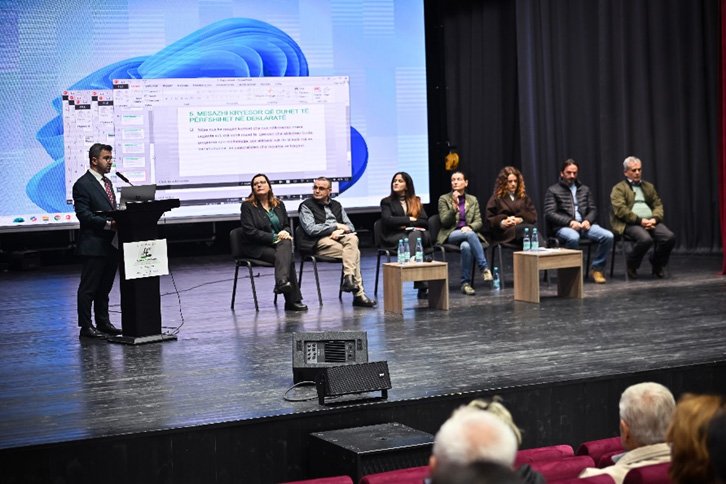
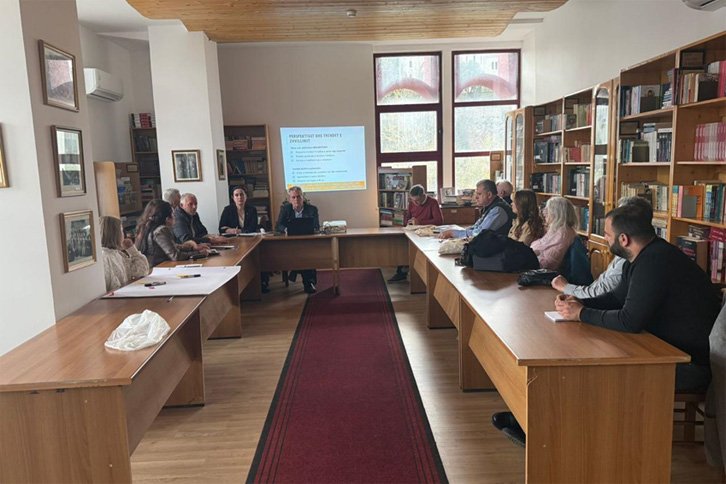
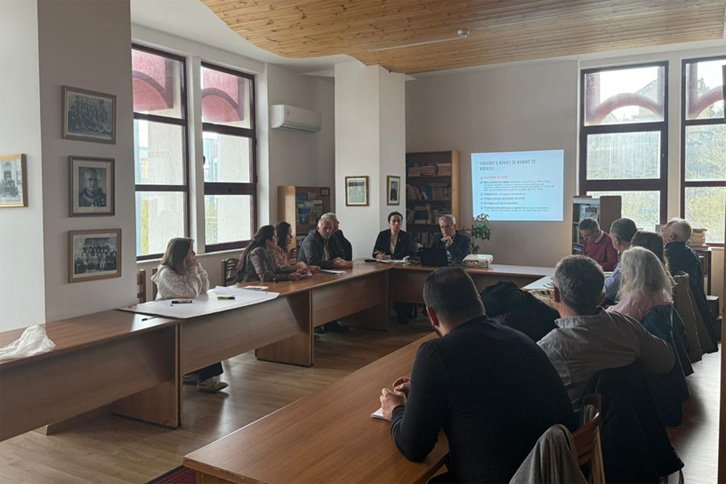
A major highlight of the Parliament was Workshop No. 7: “From a Millennial Tradition to a European Perspective – Transhumance: A Pride of Albanian Intangible Cultural Heritage.” The session was proposed and organized by the Association “Pastoral Values – National Heritage,” reflecting growing recognition of transhumance as both a cultural treasure and a development opportunity. This focus builds on global recognition. In 2023, transhumance was inscribed on the UNESCO Representative List of the Intangible Cultural Heritage of Humanity. Furthermore, the United Nations General Assembly has declared 2026 the International Year of Rangelands and Pastoralists (IYRP 2026), giving added urgency to policy discussions across the region.
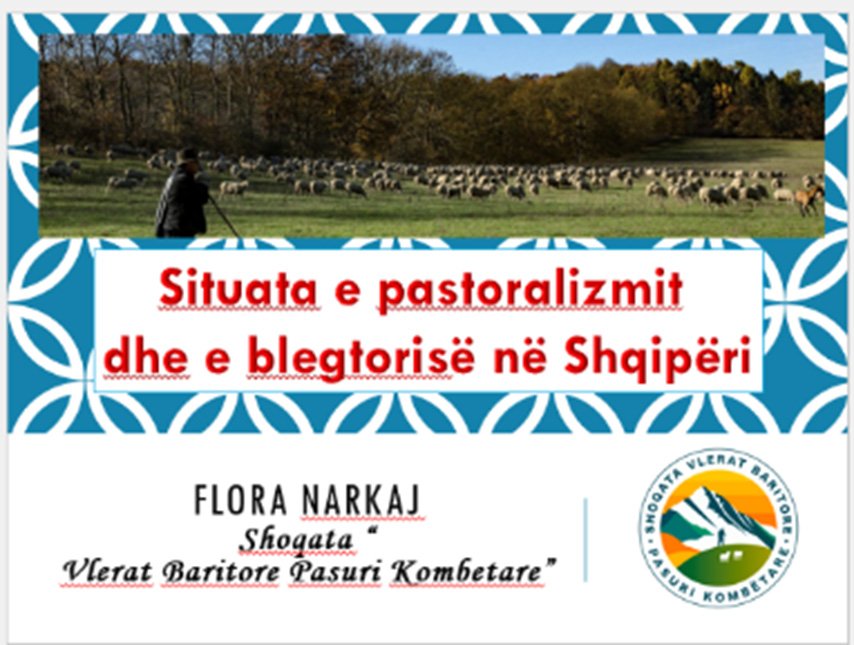
During the workshop, Prof. Petrit Dobi presented a keynote on the role of pastoralism in rural development and European integration. He emphasized that traditional systems like transhumance can contribute directly to EU priorities, including biodiversity protection and climate resilience. However, data presented by Ms. Flora Narkaj painted a stark picture. Her analysis of Albania’s livestock sector over the past century revealed a dramatic and sustained decline. In municipality such as Malësia e Madhe, livestock numbers have fallen to just 35–38% of their 1985 levels — a trend mirrored across much of the country. This decline, participants agreed, reflects deeper systemic issues: lack of investment, weak institutional support, rural outmigration, and diminishing intergenerational knowledge transfer.
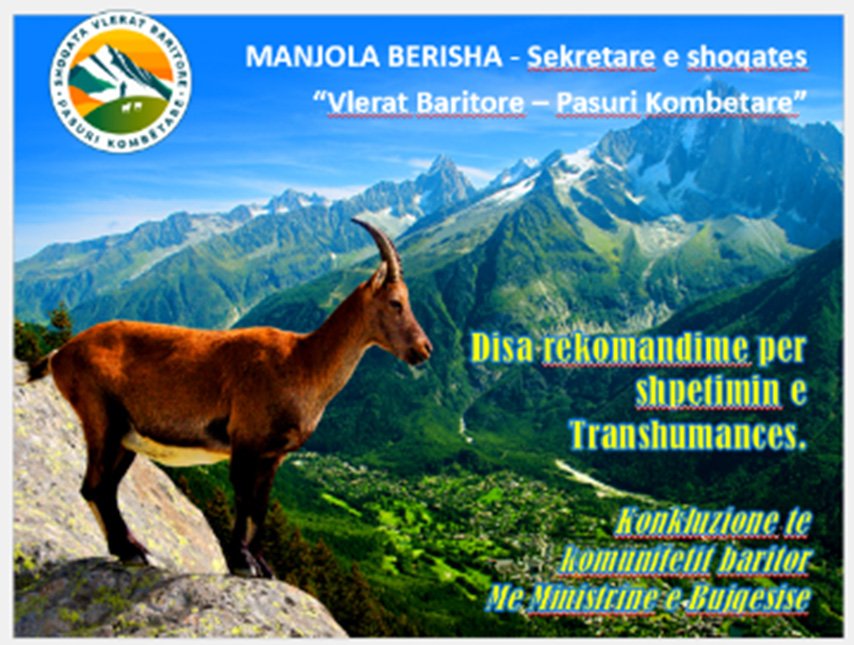
Addressing these challenges, Ms. Manjola Berisha presented a set of recommendations developed in cooperation with pastoral communities and the Ministry of Agriculture. These included improving access to grazing corridors, strengthening veterinary and extension services, and creating incentives for young people to remain in pastoral livelihoods. Importantly, these recommendations were framed not only as national priorities but also as contributions to the upcoming Western Balkans Shepherds’ Declaration. This alignment ensures that Albania’s rural voice will be part of a stronger, collective regional advocacy effort.
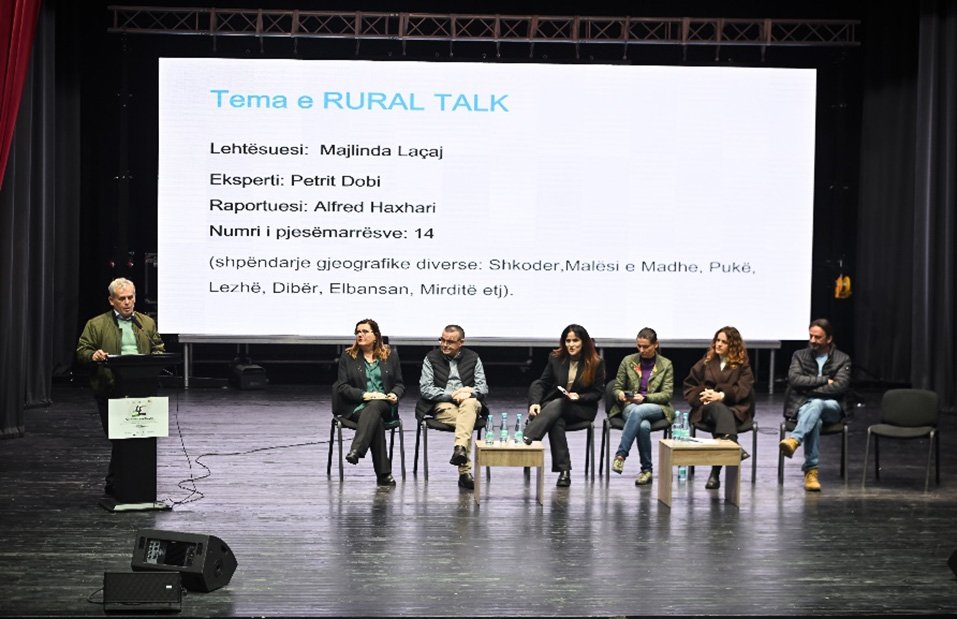
In the final session, workshop conclusions were presented, with Alfred Haxhari summarizing key outcomes from the Rural Talk discussions. A central message emerged clearly: Albania’s rural future depends on integrating tradition with innovation, and national efforts with regional collaboration. The 4th Albanian Rural Parliament thus marked a turning point—transforming a national dialogue into a regional movement. By linking its agenda with the Western Balkans pastoralist gatherings and global frameworks such as those led by UNESCO and the United Nations General Assembly, Albania is helping to shape a new vision for rural Europe.
In this vision, pastoral communities are no longer seen as peripheral, but as central actors in building resilient, culturally rich, and sustainable societies across the continent.