Mountain Alliance for Pastoralists & Minority People
Facilitated by:

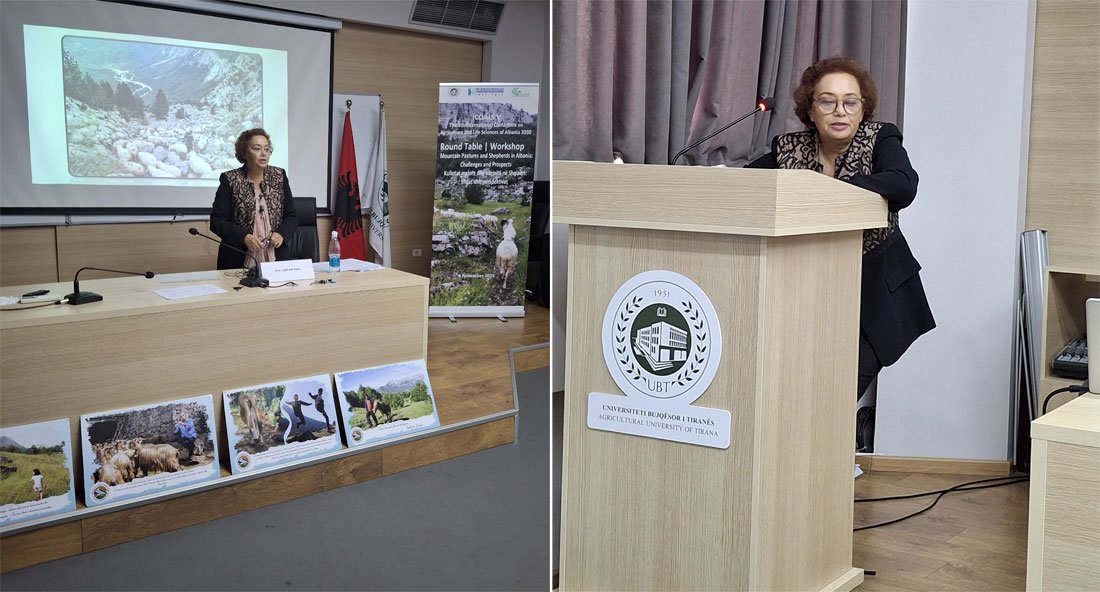
Prof. Lumturi Papa
Moderator, ICOALS V
Distinguished guests, colleagues, and dear friends,
Good morning, and welcome to this Round Table Discussion within the framework of the International Conference on Agriculture and Life Sciences – ICOALS V. It is truly a pleasure and an honour to open this important session dedicated to a theme that lies at the very heart of Albania’s rural and ecological identity: our mountain pastures and the shepherds who have cared for them for centuries.
First and foremost, allow me to extend a warm welcome to all participants — researchers, policymakers, practitioners, representatives of pastoralist communities, and our international partners — especially our colleagues from The Grassroots Institute, who have been strong advocates for pastoral rights and sustainable rangeland governance across the Western Balkans and beyond. Your presence today reaffirms that pastoralism is not merely a way of life, but a cornerstone of human–nature harmony and resilience.
Mountain pastures in Albania represent more than beautiful landscapes; they are living ecosystems — rich in biodiversity, cultural memory, and livelihoods. They sustain herders and their families, produce high-quality milk, meat, and wool, and shape the very identity of many of our rural communities.
Yet, these ecosystems and their custodians face multiple pressures: from restrictive policies and land-use change, to climate variability, market marginalization, and a decline in traditional knowledge. What used to be a symbiosis between people, animals, and the land has, in some areas, turned into a struggle for recognition, access, and dignity.
The paradox is striking. Pastoralists — those who best understand the rhythms of the land — are too often excluded from the very policies designed to “protect” nature. Traditional grazing, transhumance routes, and community-based management systems are sometimes seen as threats, rather than as proven conservation tools. And yet, as decades of field experience show, pastoral mobility and adaptive management are precisely what keep our mountain pastures healthy and productive.
This round table is not only about describing problems; it is about building a vision. A vision where pastoralists are recognized as custodians of biocultural heritage, not as remnants of a fading past. A vision where laws and institutions work with pastoral systems, not against them.
We are also meeting at a timely moment. The United Nations has declared 2026 as the International Year of Rangelands and Pastoralists — an opportunity for countries like Albania to showcase good practices, strengthen policies, and celebrate the contribution of shepherds to food security, biodiversity, and climate resilience.
Over the next three hours, our conversation will unfold around key themes: the ecological attributes of mountain pastures; the traditional interactions between pastures, shepherds, and livestock; the dilemmas of ecological balance versus degradation; and the modern challenges that mobile livestock herders face — from veterinary issues to mobility restrictions and market access.
Our goal is to bring diverse voices together — scientists and herders, economists and ecologists, government officials and NGOs — to seek common understanding and propose concrete recommendations. As moderator, my role will be to ensure that every perspective is heard and respected. Because, at its essence, sustainable pastoralism is a story of dialogue: between people and nature, between tradition and innovation, and between local communities and decision-makers.
Let us remember that the sustainability of mountain ecosystems cannot be achieved without the active participation and empowerment of the people who live in them. Recognizing shepherds as partners in stewardship — not merely as beneficiaries — is essential to creating policies that are socially just and environmentally sound.
I hope that by the end of this session we will have outlined practical pathways: to strengthen pastoral rights, integrate traditional knowledge into conservation, improve market fairness, and foster cross-border cooperation — particularly between Albanian and neighbouring mountain communities.
In closing, I wish to thank the organizers of ICOALS V, the University of Tirana, our colleagues from The Grassroots Institute, and every participant who has taken the time to join us today. May this round table inspire fresh ideas, stronger partnerships, and renewed respect for the men and women who continue to walk the ancient paths of transhumance — keeping alive both our landscapes and our collective heritage.
Thank you, and I look forward to our discussion.
Prof. Lumturi Papa
Moderatore, ICOALS V
Të nderuar të ftuar, kolegë dhe miq të dashur,
Mirëmëngjes dhe mirë se erdhët në këtë Tryezë të Rrumbullakët, e organizuar në kuadër të Konferencës Ndërkombëtare për Bujqësinë dhe Shkencat e Jetës – ICOALS V. Është vërtet kënaqësi dhe nder i veçantë të hap këtë sesion kushtuar një teme që qëndron në thelb të identitetit rural dhe ekologjik të Shqipërisë: kullotat tona malore dhe blegtorët që i kanë mirëmbajtur ato brez pas brezi.
Së pari, më lejoni të përshëndes të gjithë pjesëmarrësit – studiues, politikëbërës, praktikantë, përfaqësues të komuniteteve baritore dhe partnerë ndërkombëtarë – veçanërisht kolegët tanë nga organizata The Grassroots Institute, të cilët prej vitesh mbrojnë të drejtat e barinjve dhe qeverisjen e qëndrueshme të kullotave, jo vetëm në Ballkanin Perëndimor, por edhe më gjerë.
Prania juaj sot është dëshmi e qartë se pastoralizmi nuk është thjesht një mënyrë jetese, por një shtyllë e harmonisë midis njeriut dhe natyrës, një model qëndrese dhe bashkëjetese.
Kullotat malore në Shqipëri nuk janë vetëm peizazhe të bukura; ato janë ekosisteme të gjalla – të pasura me biodiversitet, kujtesë kulturore dhe mjete jetese. Ato ushqejnë blegtorët dhe familjet e tyre, prodhojnë qumësht, mish dhe lesh me cilësi të lartë dhe formësojnë identitetin e shumë komuniteteve tona rurale.
Megjithatë, si këto ekosisteme, edhe ata që i ruajnë ballafaqohen me një sërë sfidash: nga politikat kufizuese dhe ndryshimi i përdorimit të tokës, te variabiliteti klimatik, margjinalizimi në treg dhe humbja e dijes tradicionale. Ajo që dikur ka qenë një bashkëjetesë harmonike midis njerëzve, kafshëve dhe tokës, në disa zona është kthyer sot në një betejë për njohje, akses dhe dinjitet.
Paradoksi është i qartë. Barinjtë – njerëzit që njohin më mirë ritmet e tokës – vazhdojnë të përjashtohen nga vendimmarrja në politikat që pretendojnë të “mbrojnë” natyrën. Praktikat tradicionale të kullotjes, rrugët e transhumancës dhe sistemet komunitare të menaxhimit shpesh konsiderohen si kërcënim, në vend që të trajtohen si mjete të provuara për ruajtjen e ekuilibrit ekologjik. Megjithatë, siç na mëson edhe përvoja në terren, mobiliteti baritor dhe menaxhimi adaptiv janë pikërisht ato që i mbajnë kullotat malore të shëndetshme dhe produktive.
Kjo tryezë nuk ka si qëllim vetëm të përshkruajë problemet, por të ndërtojë një vizion. Një vizion ku barinjtë njihen si kujdestarë të trashëgimisë bio-kulturore dhe jo si mbetje të një të shkuare që po venitet. Një vizion ku ligjet dhe institucionet punojnë me sistemet baritore, e jo kundër tyre.
Ne po mblidhemi gjithashtu në një moment të rëndësishëm. Kombet e Bashkuara kanë shpallur vitin 2026 si Vitin Ndërkombëtar të Kullotave dhe Barinjve – një mundësi për Shqipërinë që të tregojë praktikat e mira, të forcojë politikat dhe të nderojë kontributin e barinjve në sigurinë ushqimore, biodiversitetin dhe qëndrueshmërinë klimatike.
Në tre orët në vijim, diskutimi ynë do të fokusohet në tema kyçe: atributet ekologjike të kullotave malore; marrëdhënia tradicionale mes tokës, barinjve dhe bagëtive; dilemat mes ekuilibrit ekologjik dhe degradimit; si dhe sfidat moderne me të cilat përballen blegtorët – nga problemet veterinare te kufizimet e mobilitetit dhe aksesit në tregje.
Qëllimi ynë është të bashkojmë perspektiva të ndryshme – shkencëtarë dhe barinj, ekonomistë dhe ekologë, përfaqësues institucionesh dhe OJF – për të arritur një mirëkuptim të përbashkët dhe për të formuluar rekomandime konkrete. Si moderatore, roli im është të siguroj që çdo zë të dëgjohet dhe të respektohet. Sepse, në thelb, pastoralizmi i qëndrueshëm është një histori dialogu: dialogu mes njerëzve dhe natyrës, mes traditës dhe inovacionit, mes komuniteteve lokale dhe vendimmarrësve.
Le të kemi parasysh se qëndrueshmëria e ekosistemeve malore nuk mund të arrihet pa pjesëmarrjen aktive dhe fuqizimin e njerëzve që jetojnë në to. Njohja e barinjve si partnerë në ruajtjen e natyrës – dhe jo thjesht si përfitues – është thelbësore për të krijuar politika që janë njëkohësisht të drejta shoqërisht dhe të qëndrueshme mjedisor.
Uroj që në përfundim të këtij sesioni të kemi identifikuar rrugë konkrete veprimi: për forcimin e të drejtave baritore, integrimin e dijes tradicionale në praktikat e ruajtjes së mjedisit, përmirësimin e qasjes në treg dhe nxitjen e bashkëpunimit ndërkufitar – veçanërisht mes komuniteteve malore shqiptare dhe atyre të vendeve fqinje.
Në mbyllje, dua të falënderoj organizatorët e ICOALS V, Universitetin e Tiranës, kolegët tanë nga The Grassroots Institute dhe secilin prej pjesëmarrësve për kohën dhe angazhimin e tyre sot. Uroj që kjo tryezë të frymëzojë ide të reja, partneritete më të forta dhe një respekt të rikthyer për burrat dhe gratë që ende ecin në shtigjet e lashta të transhumancës – duke mbajtur gjallë jo vetëm peizazhet tona, por edhe trashëgiminë tonë të përbashkët.
Faleminderit dhe ju ftoj të fillojmë diskutimin.