
Mountain Alliance for Pastoralists & Minority People
Facilitated by:

Librazhd, Albania | 30 May 2026
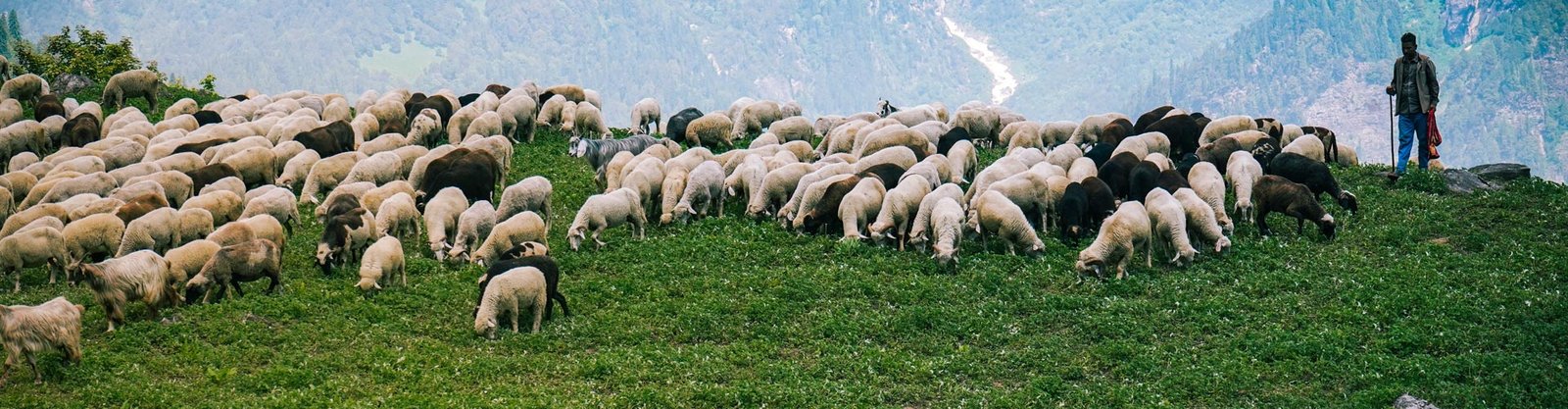
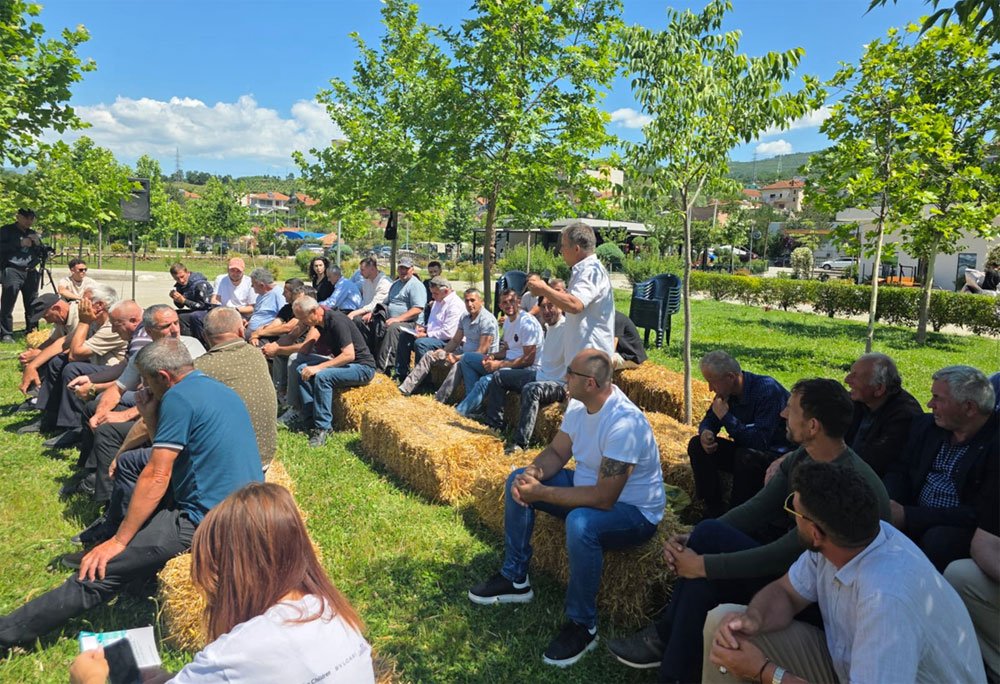
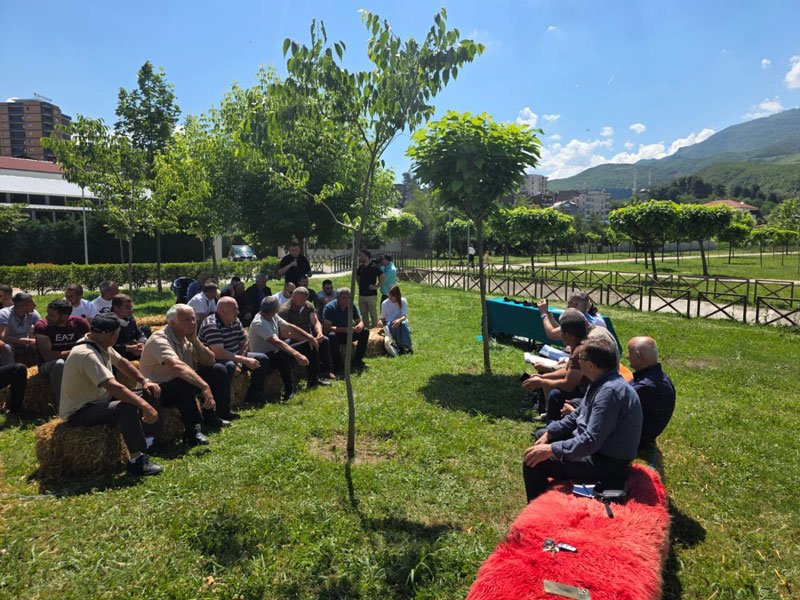
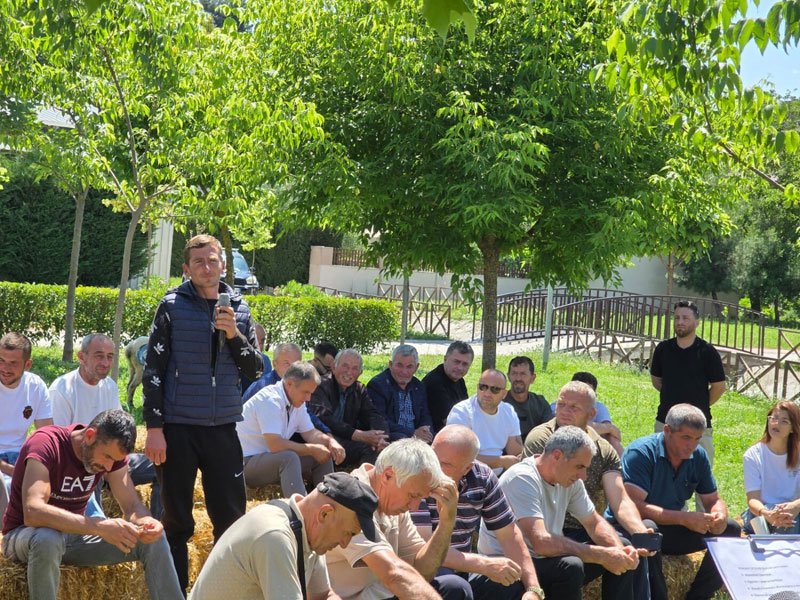
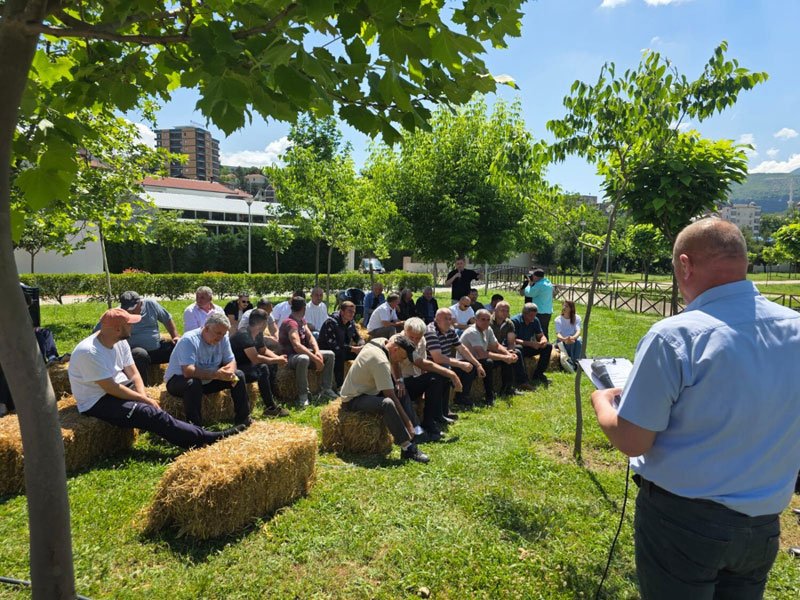
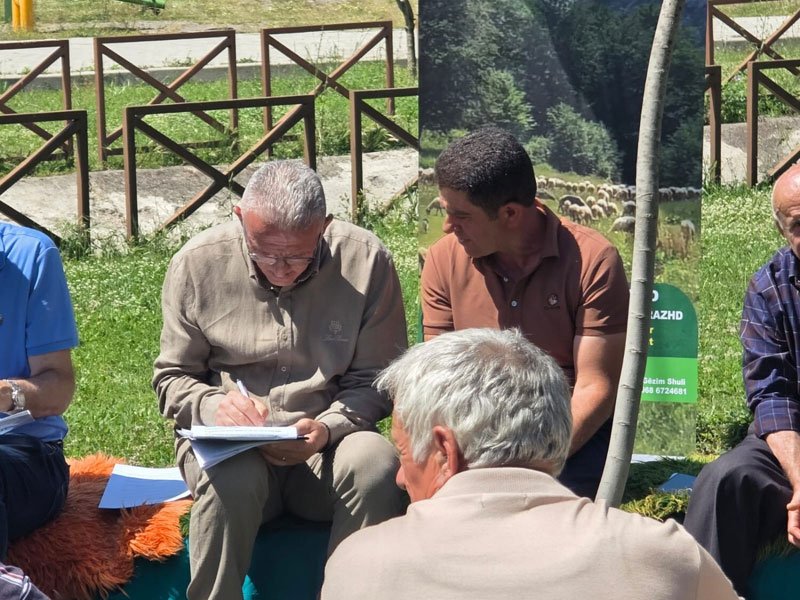
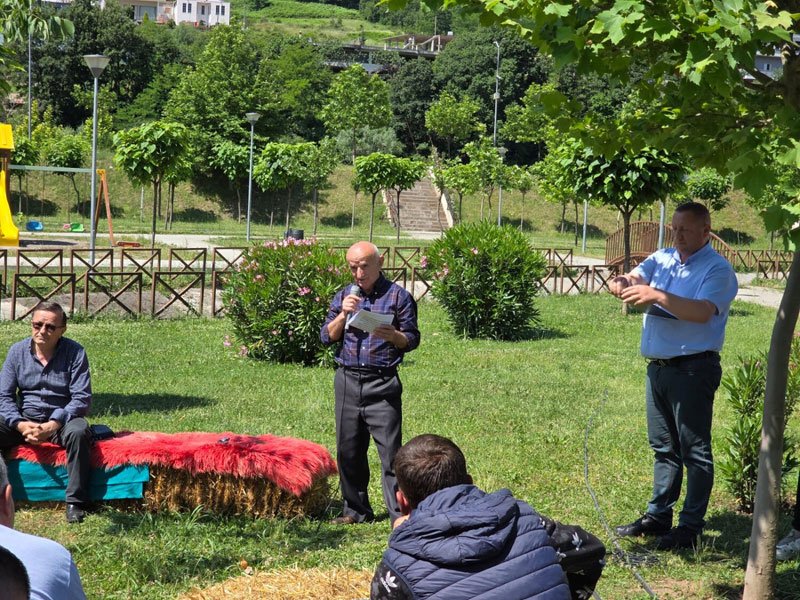
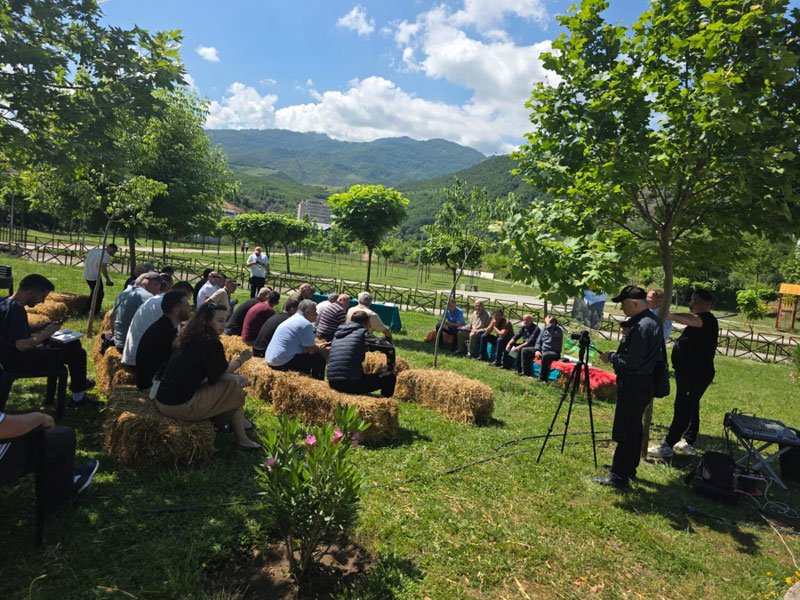
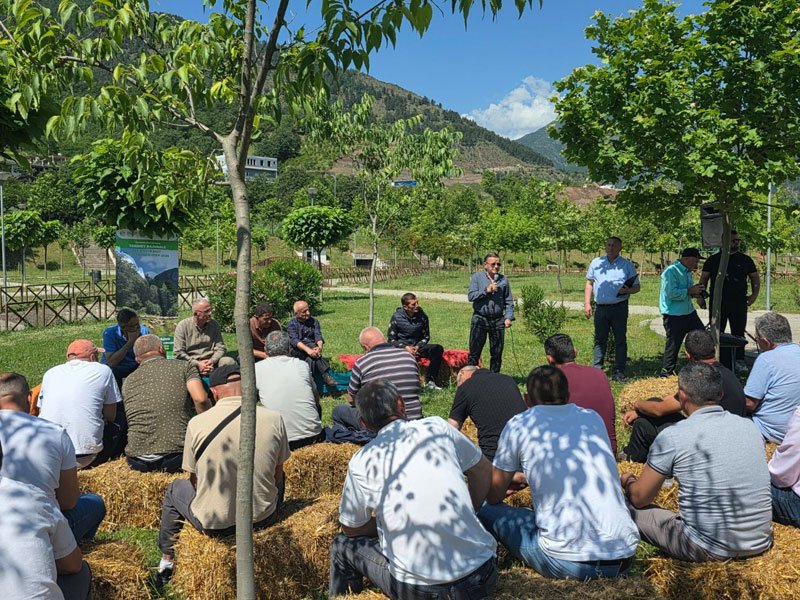
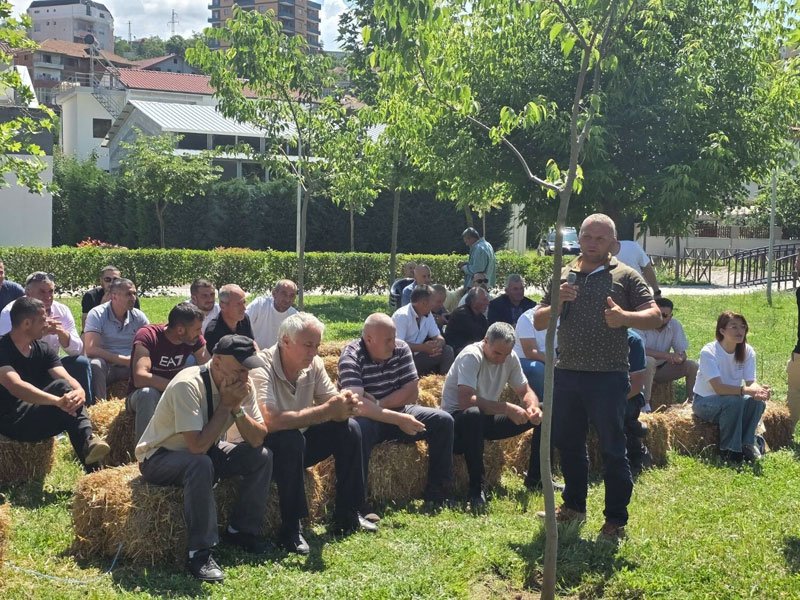
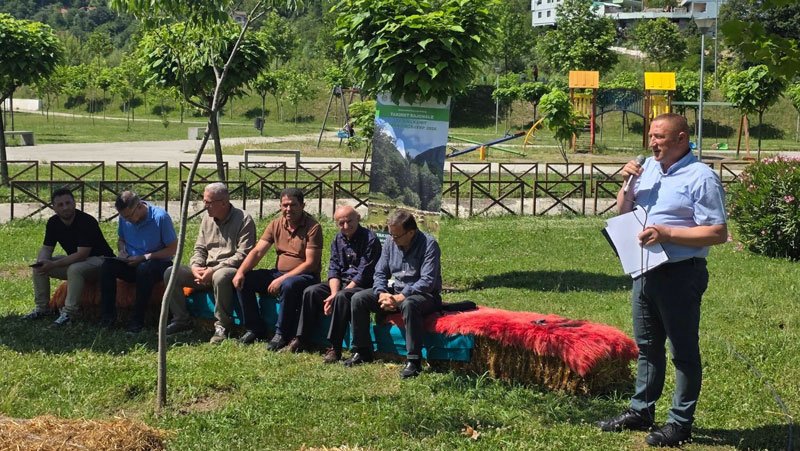
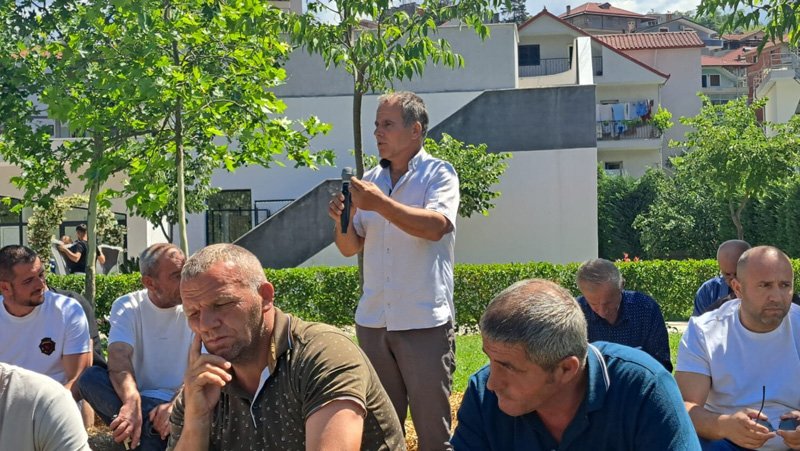
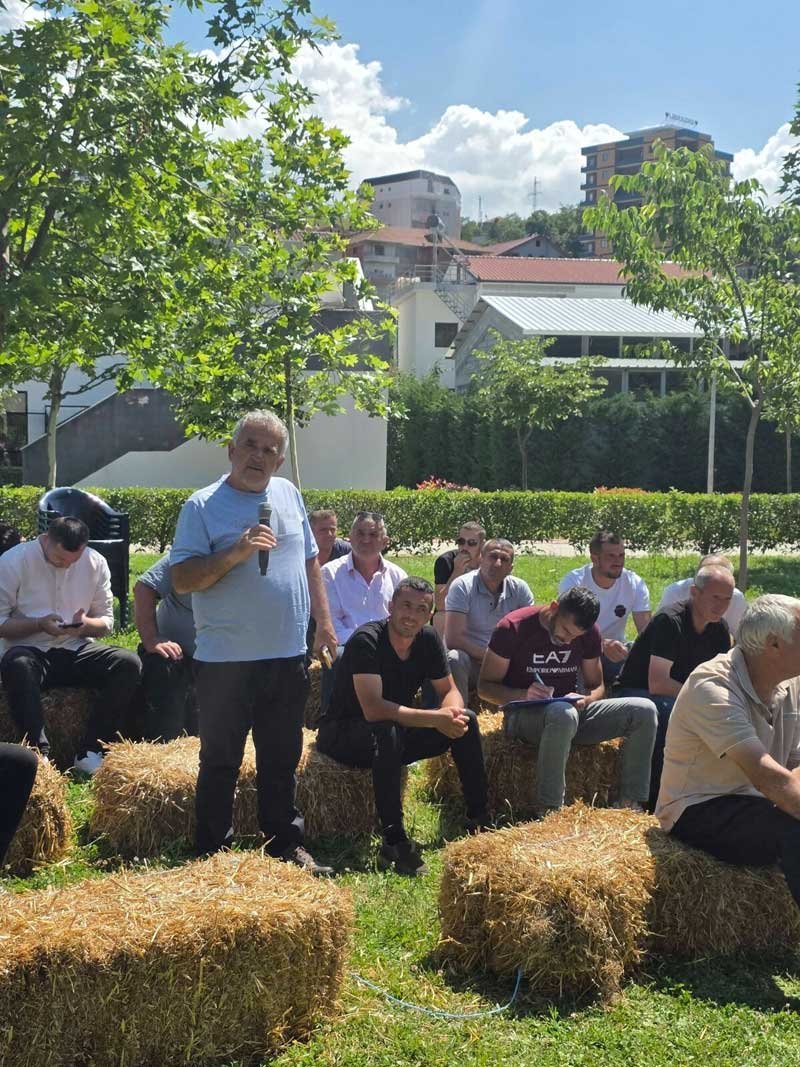
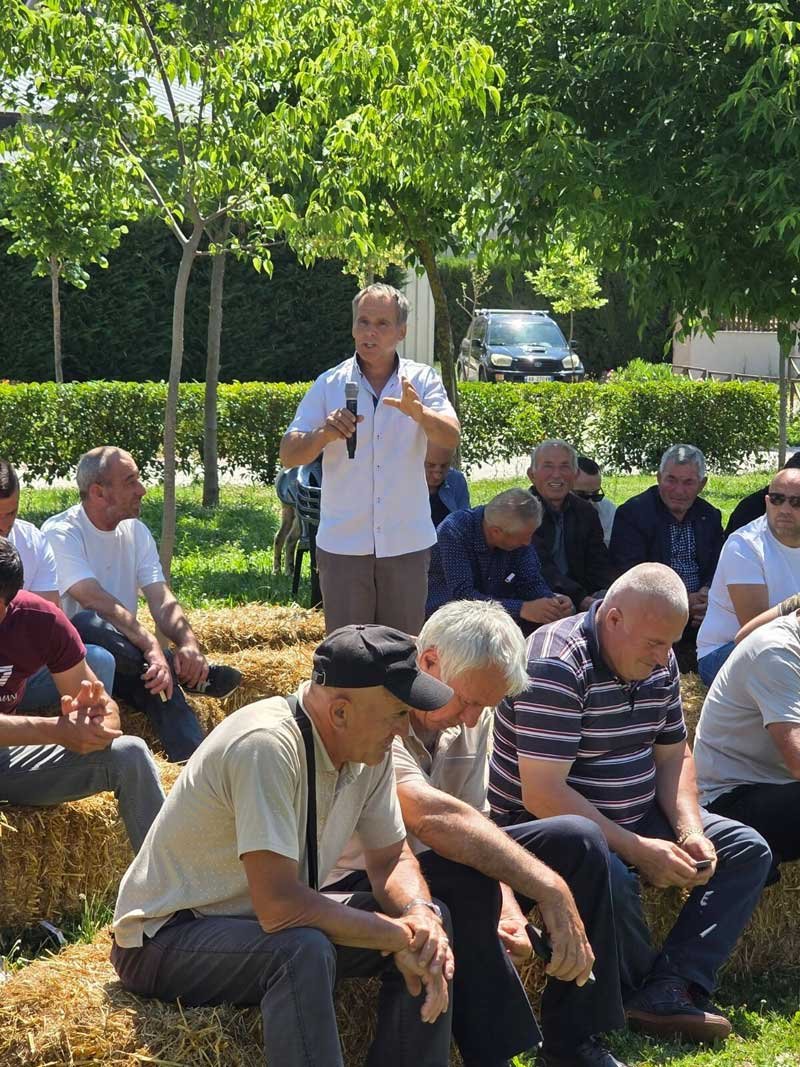
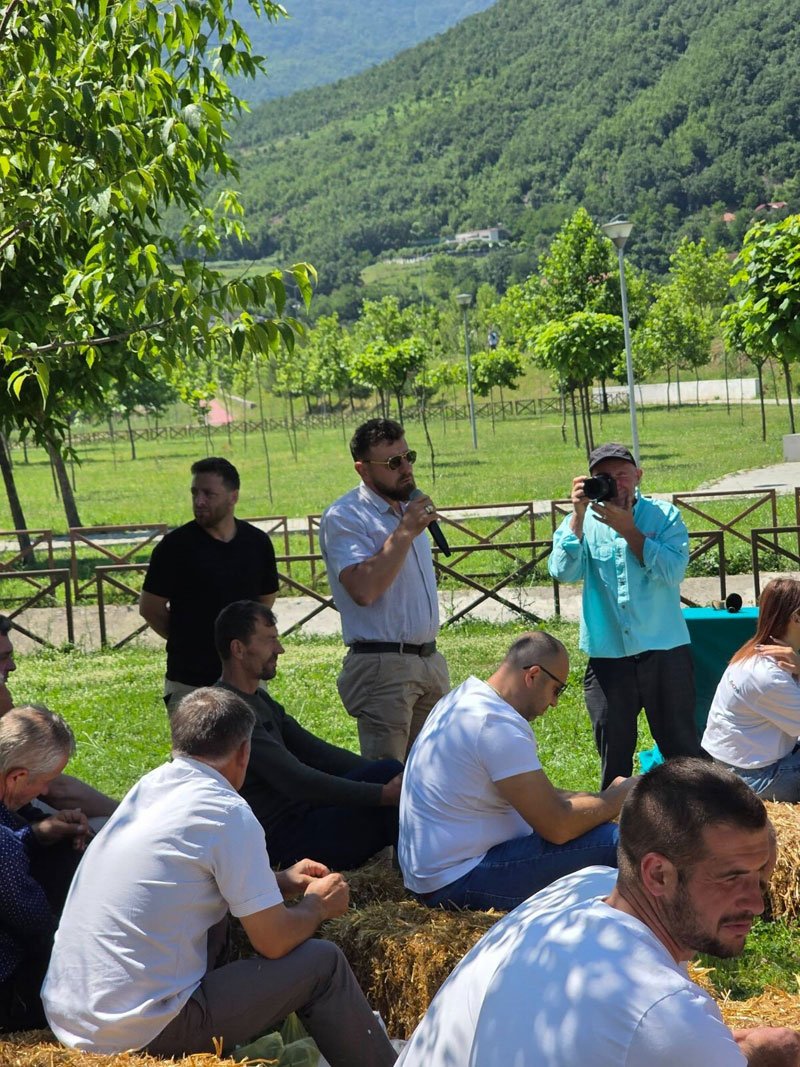
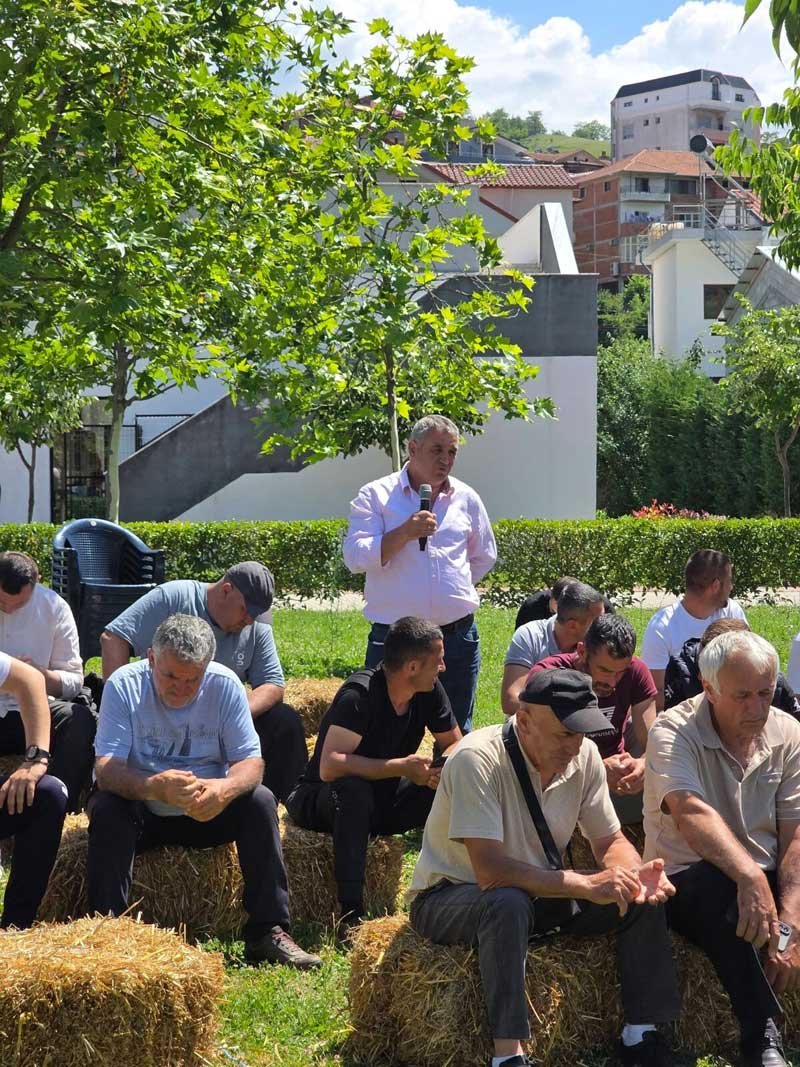
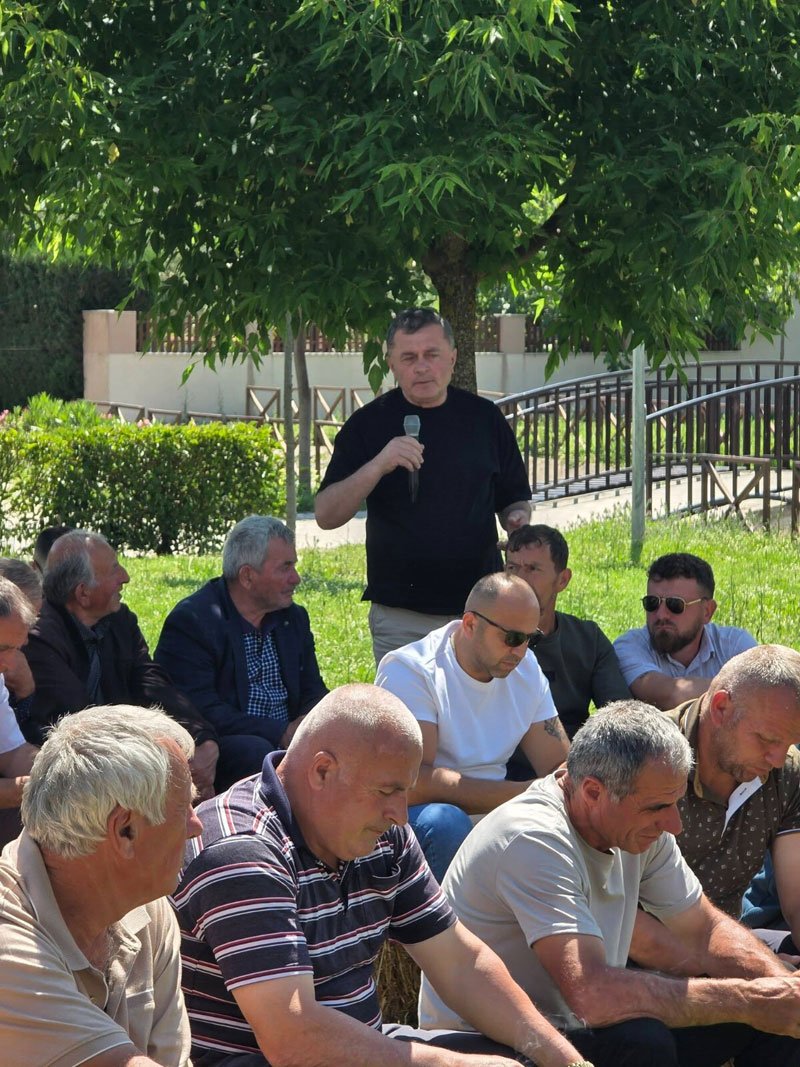
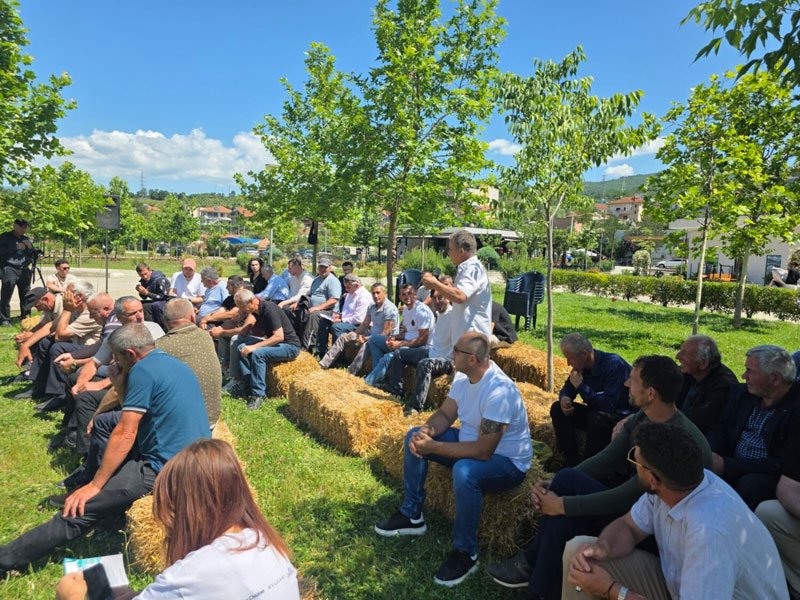
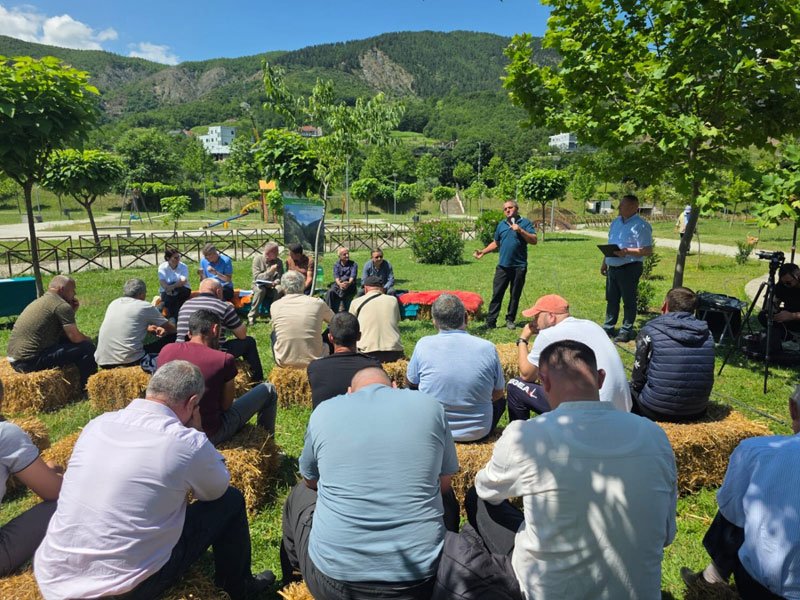
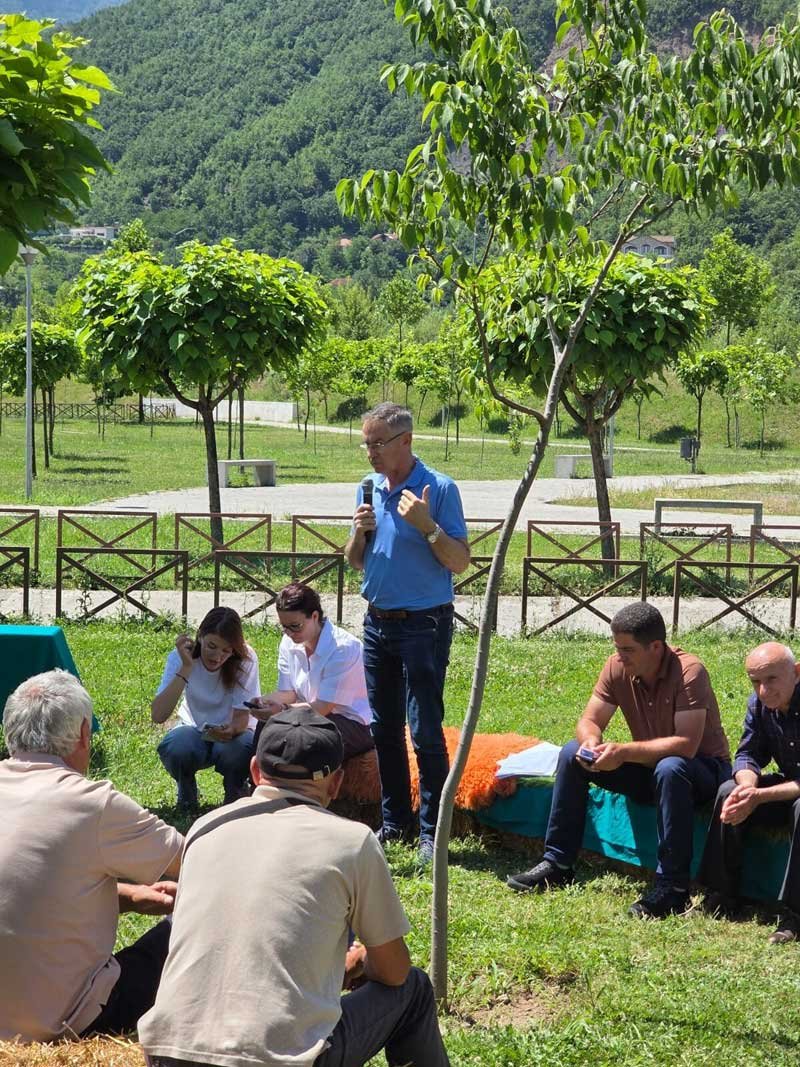
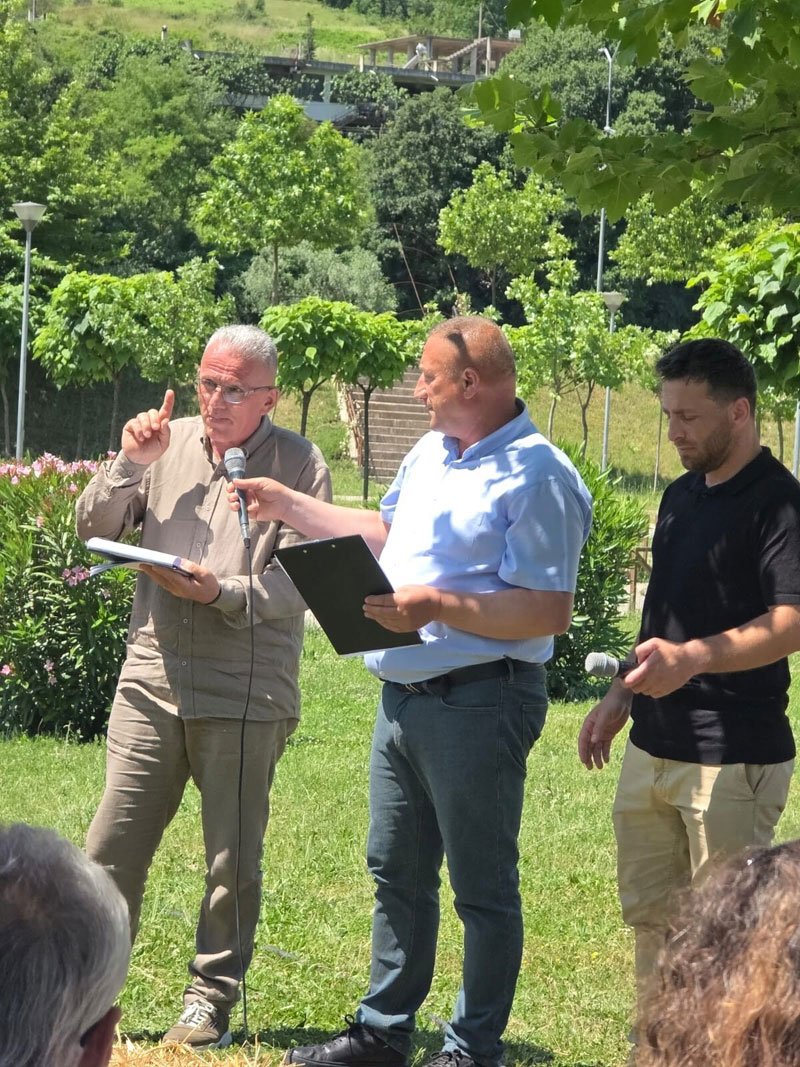
In a significant step toward recognizing the role of pastoral communities in sustaining rural economies and biodiversity, and in what many described as a long-overdue conversation, the Municipality of Librazhd hosted the IYRP–Western Balkans Regional Gathering of Pastoralists [Elbasan Zonal Gathering-1 at Librazhd] on 30 May 2026. Held at Cherry Park, the gathering brought together 44 participants, including shepherds, local authorities, civil society actors, and technical experts. Organized within the framework of the International Year of Rangelands and Pastoralists 2026, the event was facilitated by The Grassroots Institute Western Balkans, in close collaboration with Librazhd Municipality and local partner organizations such as Alb-Natyra and Pertej Te Sotmes. In the quiet hills of eastern Albania, this gathering drew attention to a sector often overlooked in policy debates but vital to rural life and ecological balance. It marked an important moment for pastoral communities across the region, particularly those in eastern Albania, where livestock and traditional grazing systems continue to shape both livelihoods and landscapes. Dr. Krishtaq Skenderi, a veterinary expert at Elbasan, has played key role in organizing this event.
Librazhd Municipality, located in the Elbasan Region along the Shkumbin River valley and bordering North Macedonia, is characterized by mountainous terrain, extensive forests, and rich biodiversity. With over 138,000 hectares of forests and meadows, the area provides a natural base for livestock farming and pastoral practices. The proximity to Shebenik-Jabllanicë National Park further enhances its ecological significance. The local economy relies heavily on agriculture and livestock, with small-scale farmers and shepherds forming the backbone of rural livelihoods. However, despite its potential, the sector faces structural challenges that have long remained under-addressed.
The initiative to organize the regional gathering began in early 2026, when Librazhd Municipality formally joined the broader Western Balkans process of celebrating pastoralism. It was the part of regional initiative, Western Balkans Regional Gathering of Pastoralists, being facilitated by The Grassroots Institute, and partnered and collaborated by various organizations from the region. The agreement reflected a growing recognition among local authorities that livestock farming and biodiversity conservation are deeply interconnected.
A preliminary meeting was convened soon after, bringing together municipal officials, agricultural experts, civil society representatives, and experienced farmers. This meeting laid the groundwork for a coordinated approach, including the establishment of a Working Group comprising representatives from the municipality, the Directorate of Agriculture, and partner organizations. The Working Group played a central role in shaping the process. It undertook field-level consultations, conducting 15 interviews with shepherds across different administrative units. These consultations provided valuable insights into the lived realities of pastoral communities — insights that would later inform the agenda of the regional gathering.
“The idea was simple — listen first, then act”, noted Dr. Hasrat Arjjumend of The Grassroots Institute Western Balkans. “Too often, policies are designed without understanding the daily realities of pastoral communities”.
The consultations revealed both the resilience and the vulnerability of pastoral systems. Shepherds spoke openly about their daily challenges, ranging from infrastructural gaps to market constraints and environmental pressures. Importantly, the process created a space where shepherds — often excluded from formal decision-making — could articulate their concerns directly. The diversity of voices, including those from remote villages, ensured that the discussions reflected the full spectrum of pastoral experiences in the municipality. “For once, we feel like partners, not just beneficiaries”, said a young shepherd from a remote village.
Set against the rugged landscape near Shebenik-Jabllanicë National Park, the gathering opened with powerful testimonies from local shepherds:
The gathering opened with personal narratives — stories of seasonal migration, intergenerational knowledge, and the realities of managing livestock under increasingly uncertain conditions.
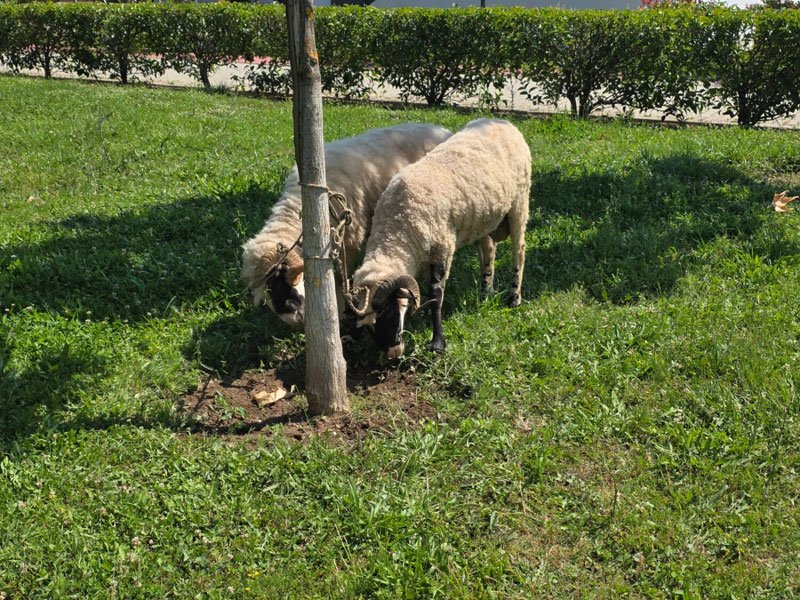
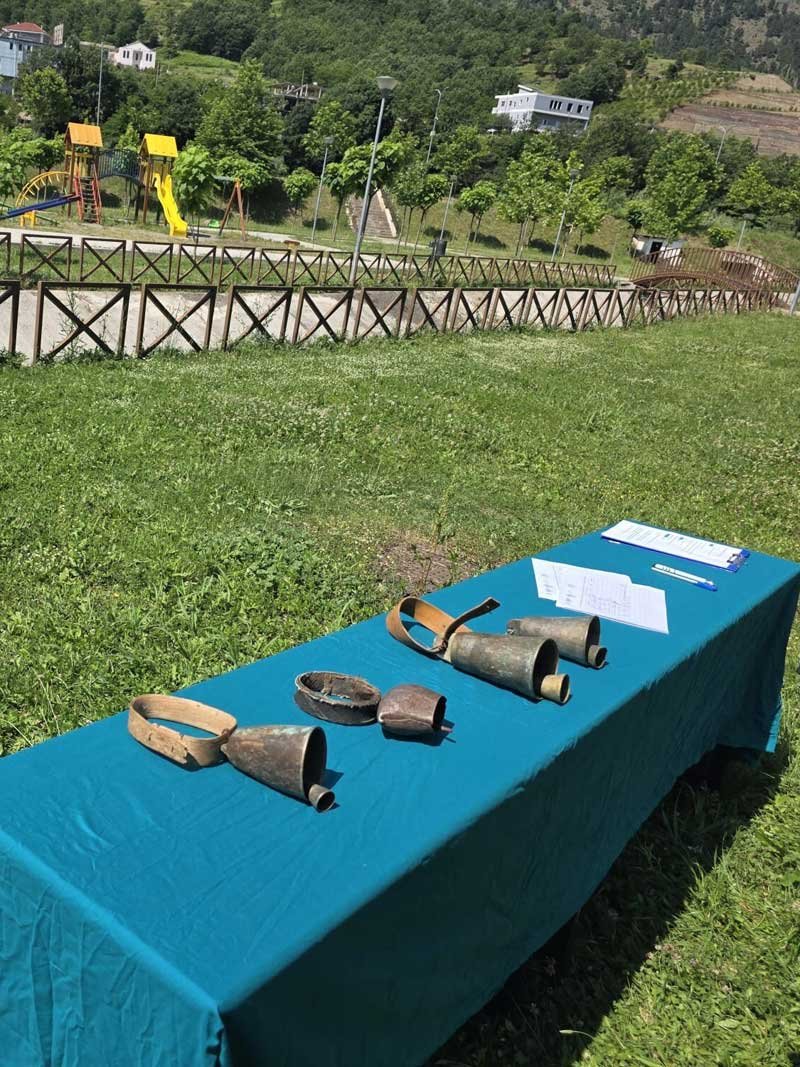
The event itself was carefully designed to reflect pastoral identity. Held in an open setting, it included symbolic elements of shepherd culture — traditional livestock breeds, pastoral tools, and visual representations of transhumance traditions. For many participants, this was the first time their work and identity were formally acknowledged in a public and institutional space.
The Regional Gathering at Librazhd unfolded as a dynamic platform for dialogue. It brought together lived experience and institutional perspectives, highlighting the complexity of pastoral systems. Key contributions included:
“Being a shepherd today is not what it used to be”, said Urim Biçaku. “Costs are rising, young people are leaving, and support systems are weak”. “We don’t even have proper access roads to some grazing areas”, another participant noted.
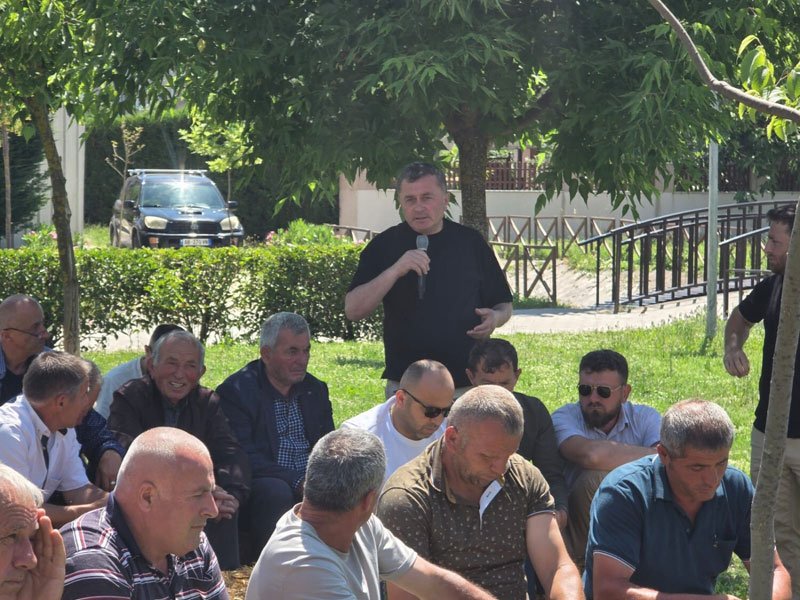
Addressing the gathering, Dr. Kristaq Skënderi, coordinator and partner for WBRG Elbasan Zone, emphasized that pastoralism should be viewed not only as an economic activity but also as an important contributor to biodiversity conservation, landscape management, and cultural heritage. Referring to the broader Western Balkans initiative, he highlighted the need to strengthen cooperation between pastoral communities, local institutions, and civil society organizations in order to ensure that shepherds’ concerns are reflected in development policies.
“The future of pastoralism depends on whether institutions and communities are prepared to work together,” Skënderi told participants, stressing the importance of preserving traditional knowledge while creating opportunities for younger generations to remain engaged in livestock farming. “Livestock farming is not just production — it is part of how biodiversity is maintained and landscapes are shaped”. He stressed collaboration:
The gathering was moderated by Shpëtim Cura, who guided discussions between shepherds, municipal officials, agricultural specialists, and civil society representatives. Throughout the event, he encouraged participants to share practical experiences from the field and ensured that local concerns were documented for future policy discussions. According to Cura, one of the most valuable outcomes of the gathering was the opportunity for shepherds from different villages to exchange experiences and collectively identify priorities for action. He particularly articulated:
Representatives of local civil society organizations participating in the Working Group emphasized that rural communities require more targeted support if traditional livestock systems are to remain viable. Discussions focused on access to water, veterinary services, grazing infrastructure, and market opportunities for livestock products. Gezim Shuli, participating as a local stakeholder and community representative, underscored the importance of ensuring that pastoral families are included in local development planning. He noted that many challenges facing shepherds are interconnected and require coordinated responses from municipalities, government agencies, and development organizations. He said:
Water scarcity emerged as one of the most pressing issues. Shepherds described difficulties in securing reliable water sources for livestock, especially during the summer months. “Hydropower projects are affecting water availability”, said Vait Hasa, raising concerns shared by many. “We are being pushed into a corner where both nature and livelihoods are under pressure”. Others highlighted tensions between conservation policies and pastoral practices, particularly in protected areas.
The discussions brought forward a comprehensive set of challenges affecting the pastoral sector:
Infrastructure Deficits
Many grazing areas lack basic infrastructure such as roads, electricity, internet and safe shelters for both shepherds and livestock. This limits productivity and increases vulnerability.
Water Scarcity and Resource Management
The absence of water reservoirs and irrigation systems emerged as a critical issue, particularly in summer months. Conflicts over water use, including those linked to hydropower projects, were also highlighted.
Environmental Pressures
Shepherds reported increased risks from wildlife and restrictions related to protected areas. At the same time, they emphasized their role in maintaining ecological balance through traditional grazing practices.
Technological and Knowledge Gaps
Limited access to modern equipment for milking and processing, as well as insufficient information about sustainable livestock practices, continues to hinder development.
Market and Financial Constraints
Difficulties in accessing markets and limited awareness of financial instruments such as loans and subsidies restrict income opportunities.
Social and Demographic Challenges
A notable concern is the declining interest of young people in pastoralism, raising questions about the future of the sector.
Institutional Gaps
The absence of a formal network or association of shepherds was identified as a major barrier to collective action and advocacy.
Participants reiterated: “Hydropower projects are affecting water availability”, said Vait Hasa. “We are told to protect biodiversity”, said Agush Hasa, “but traditional grazing is part of that biodiversity”. “We are facing a situation where both nature and livelihoods are under strain”, a shepherd remarked.
Local authorities acknowledged the need for stronger support. “We are committed to supporting livestock farmers”, said Hysni Hysa, Director of Agriculture. Experts emphasized institutional gaps: “There is a clear need for investment in animal health infrastructure”, said Dr. Aqif Faqolli.
A recurring concern was youth disengagement. “Young people don’t see a future in this work. If nothing changes, who will continue after us?” Participants linked this to lack of training, modernization, and recognition. Participants highlighted the absence of a formal shepherds’ association. “Individually, we struggle. Together, we can influence change”. Momentum is building toward forming such a network at the municipal level.
As the meeting concluded, participants expressed cautious optimism: “We don’t expect everything to change immediately. But this is a start”. The gathering marked a step toward re-centering pastoral communities in development discourse. “We are not just keeping animals — we are keeping landscapes alive”. In Librazhd, that message has begun to resonate beyond the mountains.
“The Librazhd gathering is part of a broader Western Balkans initiative to bring pastoral issues into policy discussions. This is not just about one municipality. It’s about recognizing pastoralism as a vital part of our shared future. Across the Western Balkans, similar initiatives are beginning to highlight the importance of rangelands and pastoralists in addressing challenges such as climate change, biodiversity loss, and rural depopulation”, emphasized by Dr. Petrit Dobi, member of Regional Facilitation Team, WBRG.
Despite these challenges, the gathering was widely regarded as a success. It succeeded in generating renewed interest among shepherds and created a platform for sustained dialogue between communities and institutions. Despite challenges, the meeting was widely seen as a success. It created an open space for dialogue and strengthened interest in sustaining pastoral traditions. The facilitation by The Grassroots Institute Western Balkans helped connect local realities with regional and international processes. By connecting grassroots voices with policy frameworks, the initiative contributes to a more inclusive approach to rural development.
The outcomes of the meeting have already begun to shape next steps. The Working Group, in coordination with Librazhd Municipality and partner organizations, has outlined a series of follow-up actions:
There is also growing momentum toward establishing a formal association of shepherds, which could serve as a platform for collective representation and knowledge exchange.
The Regional Gathering in Librazhd was more than a one-day event. It was a step toward re-centering pastoral communities in development discourse — recognizing their knowledge, addressing their challenges, and supporting their role as stewards of both land and culture.
As the process moves forward, the continued engagement of institutions, civil society, and pastoral communities themselves will be essential. The groundwork has been laid; the next phase will determine how these conversations translate into lasting change on the ground.
Concluding the event, Prof. Dr. Luigj Turmalai, member of Regional Facilitation Team, WBRG, lamented that “there remains a significant disconnect between grassroots pastoral realities and institutional responses, while emphasizing that gatherings such as Librazhd offer a pathway to bridge this gap through dialogue, evidence, and collective action”.
Librazhd, Shqipëri | 30 maj 2026
[Teksti më poshtë është përkthyer nga Google. Gabimet në përkthim kërkohen.]
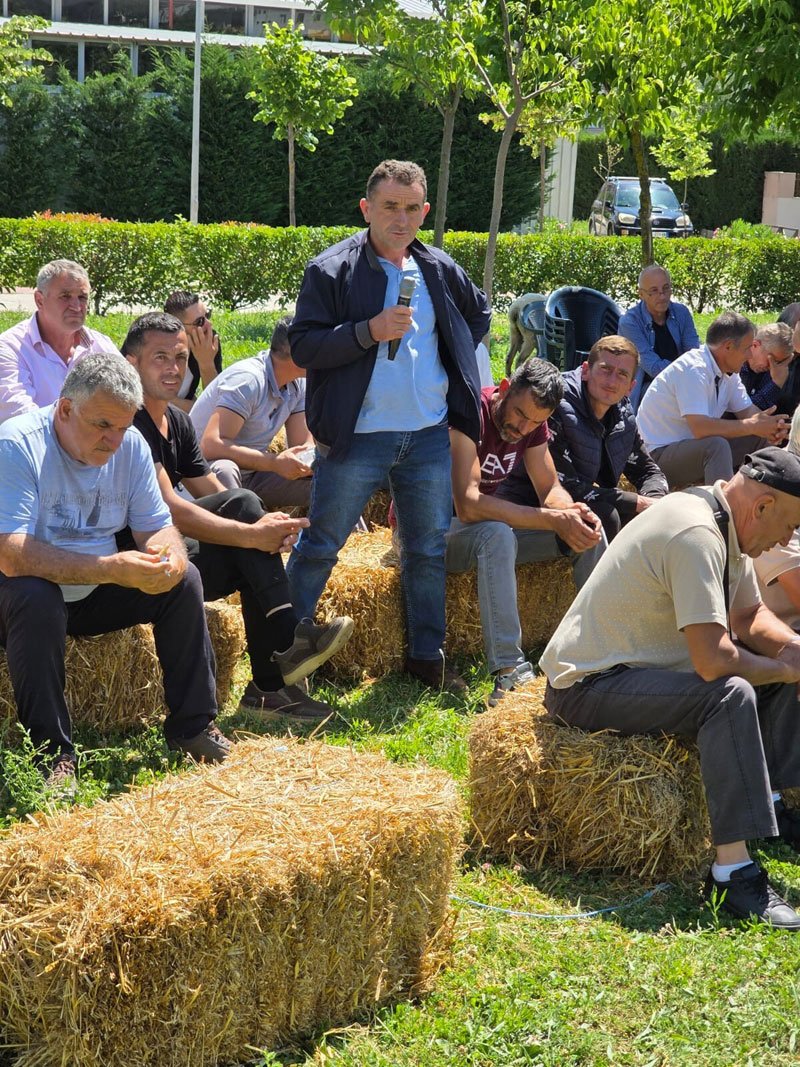
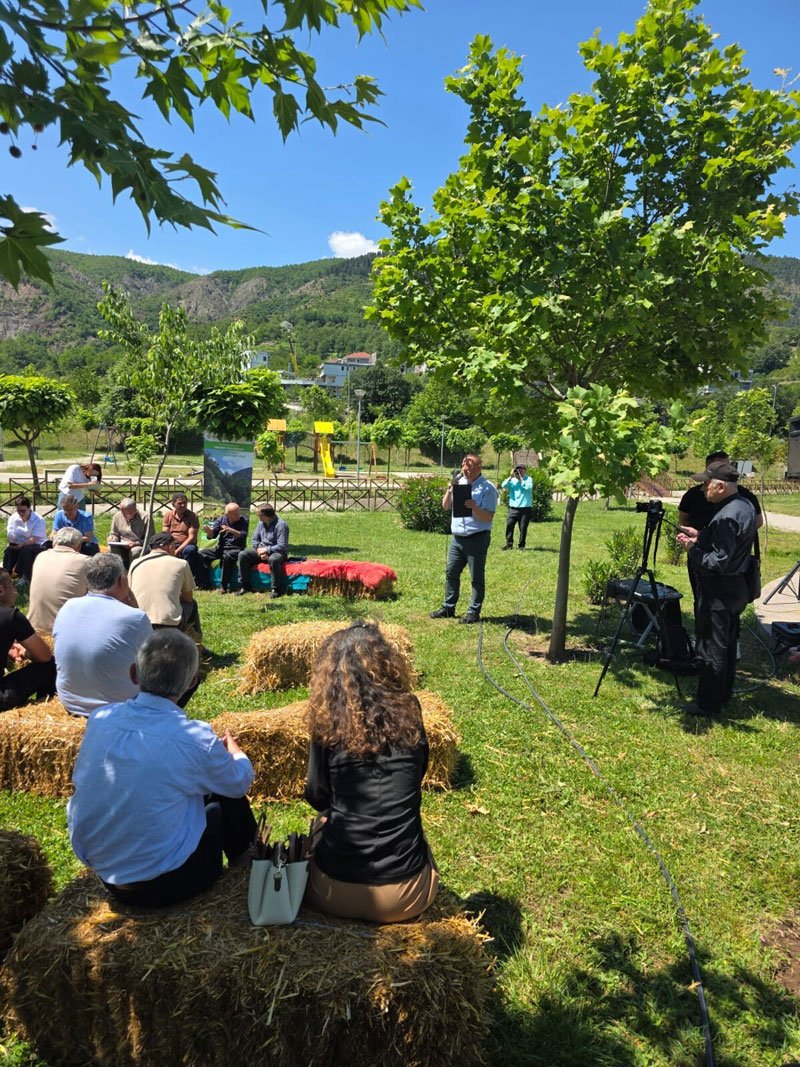
Në një hap të rëndësishëm drejt njohjes së rolit të komuniteteve baritore në mbështetjen e ekonomive rurale dhe biodiversitetit, dhe në atë që shumë e përshkruan si një bisedë të vonuar, Bashkia e Librazhdit priti Takimin Rajonal të Barinjve IYRP–Ballkani Perëndimor [Takimi Zonal i Elbasanit-1 në Librazhd] më 30 maj 2026. I mbajtur në Parkun e Qershisë, takimi mblodhi 44 pjesëmarrës, përfshirë barinj, autoritete lokale, aktorë të shoqërisë civile dhe ekspertë teknikë. I organizuar në kuadër të Vitit Ndërkombëtar të Kullotave dhe Barinjve 2026, eventi u lehtësua nga Instituti Grassroots për Balkanet Perëndimore, në bashkëpunim të ngushtë me Bashkinë e Librazhdit dhe organizatat partnere lokale si Alb-Natyra dhe Pertej Te Sotmes. Në kodrat e qeta të Shqipërisë lindore, ky takim tërhoqi vëmendjen ndaj një sektori që shpesh anashkalohet në debatet politike, por është jetësor për jetën rurale dhe ekuilibrin ekologjik. Ai shënoi një moment të rëndësishëm për komunitetet baritore në të gjithë rajonin, veçanërisht ato në Shqipërinë lindore, ku bagëtia dhe sistemet tradicionale të kullotjes vazhdojnë të formësojnë si jetesën ashtu edhe peizazhet. Dr. Krishtaq Skenderi, një ekspert veterinar në Elbasan, ka luajtur një rol kyç në organizimin e këtij eventi.
Komuna Librazhd, e vendosur në Rajonin e Elbasanit përgjatë luginës së lumit Shkumbin dhe në kufi me Maqedoninë e Veriut, karakterizohet nga terren malor, pyje të gjera dhe biodiversitet i pasur. Me mbi 138,000 hektarë pyje dhe livadhe, zona ofron një bazë natyrore për blegtorinë dhe praktikat pastorale. Afërsia me Parkun Kombëtar Shebenik-Jabllanicë rrit më tej rëndësinë e saj ekologjike. Ekonomia lokale mbështetet shumë në bujqësi dhe blegtori, me fermerë dhe barinj të vegjël që formojnë shtyllën kurrizore të jetesës rurale. Megjithatë, pavarësisht potencialit të tij, sektori përballet me sfida strukturore që kanë mbetur prej kohësh të paadresuara.
Iniciativa për të organizuar takimin rajonal filloi në fillim të vitit 2026, kur Bashkia e Librazhdit u bashkua zyrtarisht me procesin më të gjerë të Ballkanit Perëndimor për të festuar pastoralizmin. Ishte pjesë e iniciativës rajonale, Takimi Rajonal i Pastoralistëve të Ballkanit Perëndimor, i lehtësuar nga Instituti Grassroots, dhe i partnerizuar dhe bashkëpunuar nga organizata të ndryshme nga rajoni. Marrëveshja pasqyroi një njohje në rritje midis autoriteteve lokale se blegtoria dhe ruajtja e biodiversitetit janë thellësisht të ndërlidhura.
Një takim paraprak u mblodh menjëherë pas kësaj, duke bashkuar zyrtarë komunalë, ekspertë bujqësorë, përfaqësues të shoqërisë civile dhe fermerë me përvojë. Ky takim hodhi themelet për një qasje të koordinuar, duke përfshirë krijimin e një Grupi Pune të përbërë nga përfaqësues nga bashkia, Drejtoria e Bujqësisë dhe organizatat partnere. Grupi i Punës luajti një rol qendror në formësimin e procesit. Ai ndërmori konsultime në nivel terreni, duke kryer 15 intervista me barinj në njësi të ndryshme administrative. Këto konsultime ofruan njohuri të vlefshme mbi realitetet e jetuara të komuniteteve pastorale – njohuri që më vonë do të informonin axhendën e takimit rajonal. “Ideja ishte e thjeshtë — dëgjoni së pari, pastaj veproni”, vuri në dukje Dr. Hasrat Arjjumend i Institutit Grassroots për Ballkanin Perëndimor. “Shumë shpesh, politikat hartohen pa kuptuar realitetet e përditshme të komuniteteve baritore”.
Konsultimet zbuluan si qëndrueshmërinë ashtu edhe cenueshmërinë e sistemeve pastorale. Barinjtë folën hapur për sfidat e tyre të përditshme, duke filluar nga boshllëqet infrastrukturore deri te kufizimet e tregut dhe presionet mjedisore. Është e rëndësishme të theksohet se procesi krijoi një hapësirë ku barinjtë – shpesh të përjashtuar nga vendimmarrja formale – mund të artikulonin shqetësimet e tyre drejtpërdrejt. Diversiteti i zërave, përfshirë ato nga fshatrat e largëta, siguroi që diskutimet të pasqyronin spektrin e plotë të përvojave pastorale në bashki. “Për herë të parë, ndihemi si partnerë, jo vetëm përfitues”, tha një bari i ri nga një fshat i largët.
I vendosur në peizazhin e ashpër pranë Parkut Kombëtar Shebenik-Jabllanicë, takimi u hap me dëshmi të fuqishme nga barinjtë vendas:
Takimi u hap me rrëfime personale – histori të migrimit sezonal, njohurive ndërgjeneracionale dhe realiteteve të menaxhimit të bagëtive në kushte gjithnjë e më të pasigurta.
Vetë eventi u hartua me kujdes për të pasqyruar identitetin baritor. I mbajtur në një mjedis të hapur, ai përfshinte elementë simbolikë të kulturës së bariut – racat tradicionale të bagëtive, mjetet baritore dhe përfaqësime vizuale të traditave të transportit të bagëtive. Për shumë pjesëmarrës, kjo ishte hera e parë që puna dhe identiteti i tyre u njohën zyrtarisht në një hapësirë publike dhe institucionale.
Mbledhja Rajonale në Librazhd u shpalos si një platformë dinamike për dialog. Ai bashkoi përvojat e jetuara dhe perspektivat institucionale, duke theksuar kompleksitetin e sistemeve pastorale. Kontributet kryesore përfshinin:
“Të jesh bari sot nuk është ajo që ishte dikur”, tha Urim Biçaku. “Kostot po rriten, të rinjtë po largohen dhe sistemet mbështetëse janë të dobëta”. “Nuk kemi as rrugë të përshtatshme për akses në disa zona kullotjeje”, vuri në dukje një pjesëmarrës tjetër.
Duke iu drejtuar mbledhjes, Dr. Kristaq Skënderi, koordinator dhe partner për Zonën e Elbasanit të WBRG, theksoi se pastoralizmi duhet të shihet jo vetëm si një aktivitet ekonomik, por edhe si një kontribues i rëndësishëm në ruajtjen e biodiversitetit, menaxhimin e peizazhit dhe trashëgiminë kulturore. Duke iu referuar iniciativës më të gjerë të Ballkanit Perëndimor, ai theksoi nevojën për të forcuar bashkëpunimin midis komuniteteve baritore, institucioneve lokale dhe organizatave të shoqërisë civile në mënyrë që të sigurohet që shqetësimet e barinjve të pasqyrohen në politikat e zhvillimit.
“E ardhmja e pastoralizmit varet nëse institucionet dhe komunitetet janë të përgatitura të punojnë së bashku”, u tha Skënderi pjesëmarrësve, duke theksuar rëndësinë e ruajtjes së njohurive tradicionale, duke krijuar njëkohësisht mundësi për brezat e rinj që të mbeten të angazhuar në blegtori. “Blegtoria nuk është vetëm prodhim – është pjesë e mënyrës se si mirëmbahet biodiversiteti dhe formësohen peizazhet”. Ai theksoi bashkëpunimin:
Mbledhja u moderua nga Shpëtim Cura, i cili drejtoi diskutimet midis barinjve, zyrtarëve komunalë, specialistëve të bujqësisë dhe përfaqësuesve të shoqërisë civile. Gjatë gjithë eventit, ai i inkurajoi pjesëmarrësit të ndanin përvoja praktike nga terreni dhe siguroi që shqetësimet lokale të dokumentoheshin për diskutime të ardhshme mbi politikat. Sipas Cura-s, një nga rezultatet më të vlefshme të takimit ishte mundësia që barinjtë nga fshatra të ndryshme të shkëmbenin përvoja dhe të identifikonin së bashku prioritetet për veprim. Ai artikuloi në mënyrë të veçantë:
Përfaqësuesit e organizatave lokale të shoqërisë civile që morën pjesë në Grupin e Punës theksuan se komunitetet rurale kërkojnë mbështetje më të synuar nëse sistemet tradicionale të blegtorisë duan të mbeten të qëndrueshme. Diskutimet u përqendruan në aksesin në ujë, shërbimet veterinare, infrastrukturën e kullotjes dhe mundësitë e tregut për produktet blegtorale. Gëzim Shuli, duke marrë pjesë si një palë e interesuar lokale dhe përfaqësues i komunitetit, nënvizoi rëndësinë e sigurimit që familjet baritore të përfshihen në planifikimin e zhvillimit lokal. Ai vuri në dukje se shumë sfida me të cilat përballen barinjtë janë të ndërlidhura dhe kërkojnë përgjigje të koordinuara nga bashkitë, agjencitë qeveritare dhe organizatat e zhvillimit. Ai tha:
Mungesa e ujit u shfaq si një nga çështjet më urgjente. Barinjtë përshkruan vështirësitë në sigurimin e burimeve të besueshme të ujit për bagëtinë, veçanërisht gjatë muajve të verës. “Projektet e hidrocentraleve po ndikojnë në disponueshmërinë e ujit”, tha Vait Hasa, duke ngritur shqetësime të përbashkëta nga shumë njerëz. “Po na shtyjnë në një cep ku si natyra ashtu edhe mjetet e jetesës janë nën presion”. Të tjerë theksuan tensionet midis politikave të ruajtjes dhe praktikave pastorale, veçanërisht në zonat e mbrojtura.
Diskutimet nxorën në pah një sërë gjithëpërfshirëse sfidash që ndikojnë në sektorin pastoral:
Mungesa në Infrastrukturë
Shumë zona kullotjeje nuk kanë infrastrukturë bazë si rrugë, energji elektrike, internet dhe strehime të sigurta si për barinjtë ashtu edhe për bagëtinë. Kjo kufizon produktivitetin dhe rrit cenueshmërinë.
Mungesa e Ujit dhe Menaxhimi i Burimeve
Mungesa e rezervuarëve të ujit dhe sistemeve të ujitjes u shfaq si një çështje kritike, veçanërisht në muajt e verës. U theksuan gjithashtu konfliktet mbi përdorimin e ujit, duke përfshirë ato të lidhura me projektet e hidrocentraleve.
Presionet Mjedisore
Barinjtë raportuan rreziqe në rritje nga jeta e egër dhe kufizime që lidhen me zonat e mbrojtura. Në të njëjtën kohë, ata theksuan rolin e tyre në ruajtjen e ekuilibrit ekologjik përmes praktikave tradicionale të kullotjes.
Mungesa Teknologjike dhe e Njohurive
Qasja e kufizuar në pajisjet moderne për mjelje dhe përpunim, si dhe informacioni i pamjaftueshëm në lidhje me praktikat e qëndrueshme të bagëtive, vazhdojnë të pengojnë zhvillimin.
Kufizimet e Tregut dhe Financiare
Vështirësitë në aksesin në tregje dhe ndërgjegjësimi i kufizuar për instrumentet financiare si kreditë dhe subvencionet kufizojnë mundësitë e të ardhurave.
Sfidat Sociale dhe Demografike
Një shqetësim i dukshëm është interesi në rënie i të rinjve për blegtorinë, duke ngritur pyetje në lidhje me të ardhmen e sektorit.
Mungesa Institucionale
Mungesa e një rrjeti formal ose shoqate barinjsh u identifikua si një pengesë e madhe për veprimin kolektiv dhe avokimin.
Pjesëmarrësit përsëritën: “Projektet e hidrocentraleve po ndikojnë në disponueshmërinë e ujit”, tha Vait Hasa. “Na thuhet të mbrojmë biodiversitetin”, tha Agush Hasa, “por kullotja tradicionale është pjesë e atij biodiversiteti”. “Po përballemi me një situatë ku si natyra ashtu edhe mjetet e jetesës janë nën presion”, vërejti një bari.
Autoritetet lokale pranuan nevojën për një mbështetje më të fortë. “Ne jemi të përkushtuar për të mbështetur fermerët e bagëtive”, tha Hysni Hysa, Drejtor i Bujqësisë. Ekspertët theksuan boshllëqet institucionale: “Ekziston një nevojë e qartë për investime në infrastrukturën e shëndetit të kafshëve”, tha Dr. Aqif Faqolli.
Një shqetësim i përsëritur ishte mosangazhimi i të rinjve. “Të rinjtë nuk shohin një të ardhme në këtë punë. Nëse asgjë nuk ndryshon, kush do të vazhdojë pas nesh?” Pjesëmarrësit e lidhën këtë me mungesën e trajnimit, modernizimit dhe njohjes. Pjesëmarrësit theksuan mungesën e një shoqate formale të barinjve. “Individualisht, ne luftojmë. Së bashku, ne mund të ndikojmë në ndryshim”. Po krijohet vrull drejt formimit të një rrjeti të tillë në nivel bashkie.
Ndërsa takimi përfundoi, pjesëmarrësit shprehën optimizëm të kujdesshëm: “Nuk presim që gjithçka të ndryshojë menjëherë. Por ky është një fillim”. Takimi shënoi një hap drejt ripërqendrimit të komuniteteve baritore në diskursin e zhvillimit. “Ne nuk po mbajmë vetëm kafshë – ne po i mbajmë peizazhet gjallë”. Në Librazhd, ky mesazh ka filluar të jehojë përtej maleve.
“Takimi në Librazhd është pjesë e një iniciative më të gjerë të Ballkanit Perëndimor për të sjellë çështjet e blegtorisë në diskutimet mbi politikat. Kjo nuk ka të bëjë vetëm me një komunë. Ka të bëjë me njohjen e blegtorisë si një pjesë jetësore e së ardhmes sonë të përbashkët. Në të gjithë Ballkanin Perëndimor, iniciativa të ngjashme po fillojnë të nxjerrin në pah rëndësinë e kullotave dhe blegtorëve në adresimin e sfidave të tilla si ndryshimi i klimës, humbja e biodiversitetit dhe shpopullimi rural”, theksoi Dr. Petrit Dobi, anëtar i Ekipit Rajonal të Lehtësimit, WBRG.
Pavarësisht këtyre sfidave, takimi u konsiderua gjerësisht si një sukses. Ai arriti të gjeneronte interes të ripërtërirë midis barinjve dhe krijoi një platformë për dialog të qëndrueshëm midis komuniteteve dhe institucioneve. Pavarësisht sfidave, takimi u pa gjerësisht si një sukses. Ai krijoi një hapësirë të hapur për dialog dhe forcoi interesin në ruajtjen e traditave baritore. Lehtësimi nga Instituti Grassroots i Ballkanit Perëndimor ndihmoi në lidhjen e realiteteve lokale me proceset rajonale dhe ndërkombëtare. Duke lidhur zërat e bazës me kornizat e politikave, iniciativa kontribuon në një qasje më gjithëpërfshirëse ndaj zhvillimit rural.
Rezultatet e takimit tashmë kanë filluar të formësojnë hapat e ardhshëm. Grupi i Punës, në koordinim me Bashkinë e Librazhdit dhe organizatat partnere, ka përshkruar një sërë veprimesh pasuese:
Gjithashtu ka një vrull në rritje drejt krijimit të një shoqate formale të barinjve, e cila mund të shërbejë si një platformë për përfaqësim kolektiv dhe shkëmbim njohurish.
Takimi Rajonal në Librazhd ishte më shumë se një event njëditor. Ishte një hap drejt ripërqendrimit të komuniteteve baritore në diskursin e zhvillimit – duke njohur njohuritë e tyre, duke adresuar sfidat e tyre dhe duke mbështetur rolin e tyre si kujdestarë të tokës dhe kulturës.
Ndërsa procesi ecën përpara, angazhimi i vazhdueshëm i institucioneve, shoqërisë civile dhe vetë komuniteteve baritore do të jetë thelbësor. Puna themelore është hedhur; faza tjetër do të përcaktojë se si këto biseda përkthehen në ndryshime të qëndrueshme në terren.
Në përfundim të eventit, Prof. Dr. Luigj Turmalai, anëtar i Ekipit Rajonal të Lehtësimit, WBRG, u ankua se “mbetet një shkëputje e konsiderueshme midis realiteteve baritore bazë dhe përgjigjeve institucionale, ndërsa theksoi se takime të tilla si Librazhdi ofrojnë një rrugë për të kapërcyer këtë boshllëk përmes dialogut, provave dhe veprimit kolektiv“.


