
Mountain Alliance for Pastoralists & Minority People
Facilitated by:

Progress of the
by
&
Rural Association Support Programme
https://rasp.org.al/en/
Organized at:
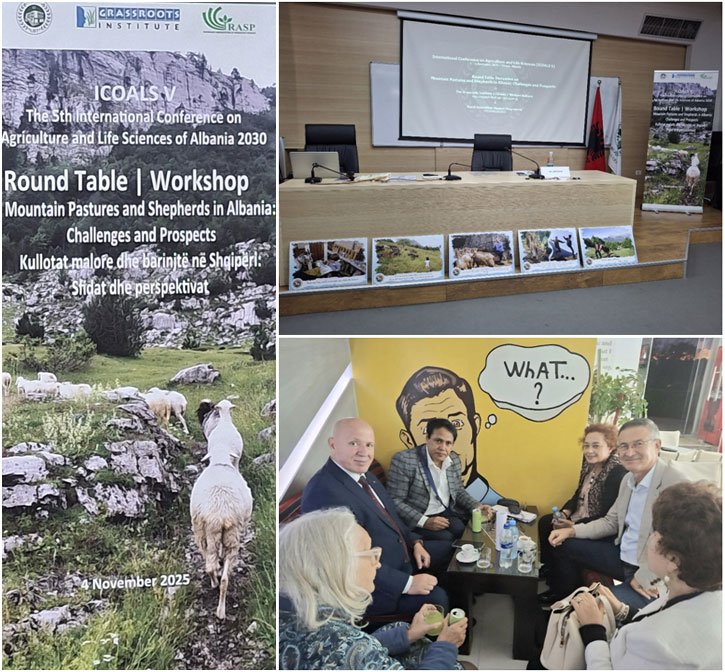
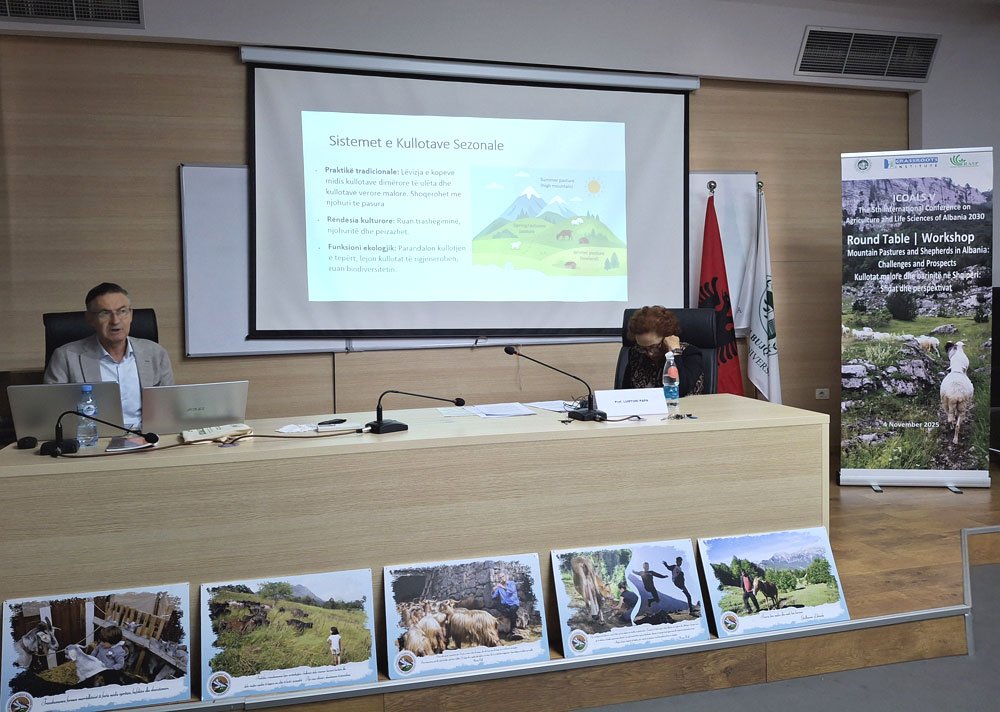
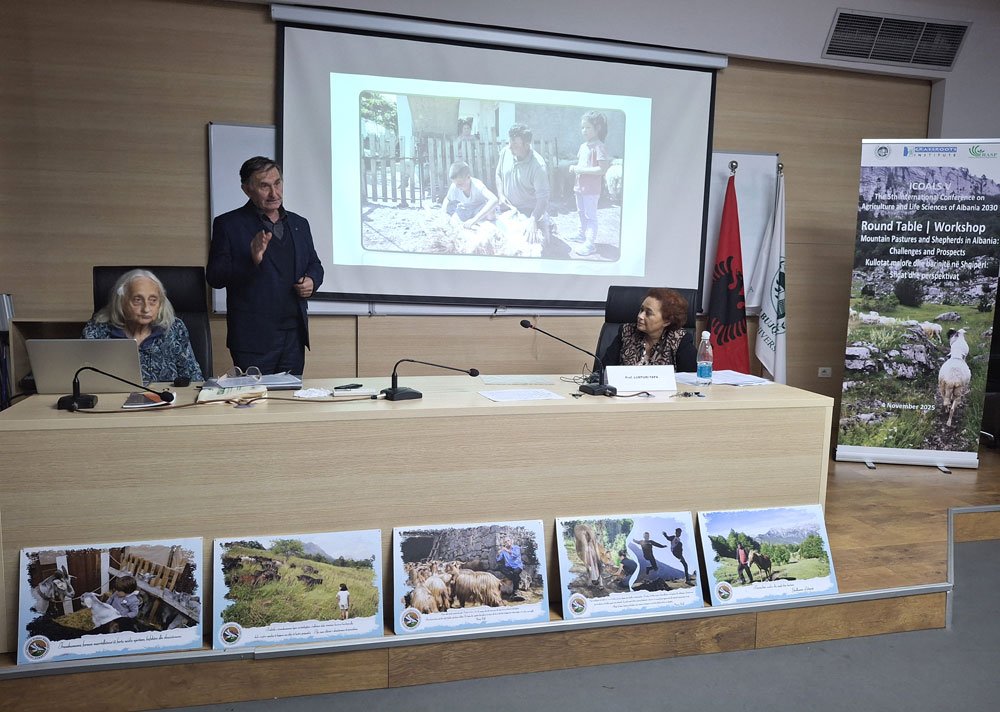
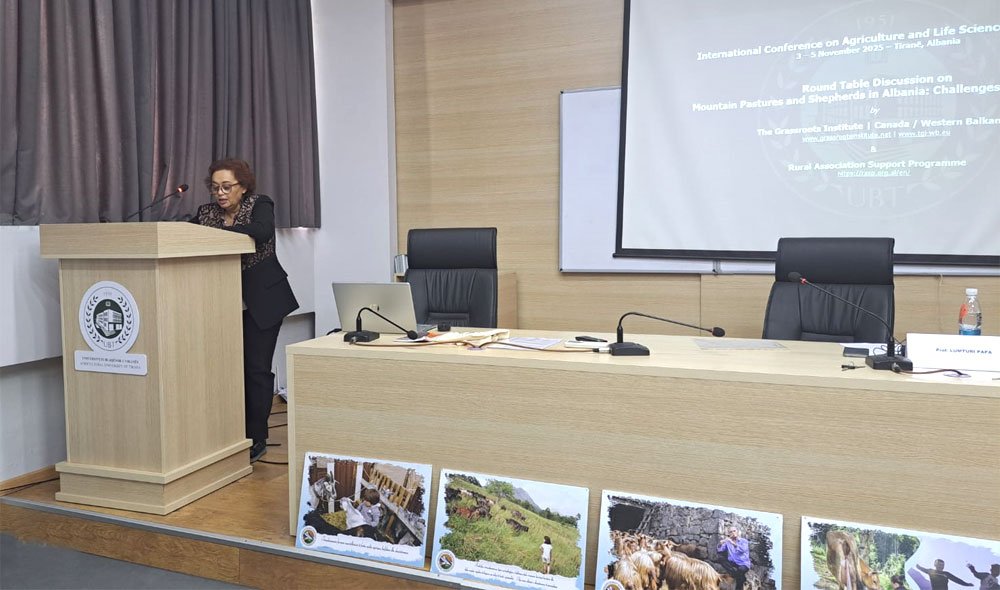
This three-hour Round Table Discussion will explore the ecological, cultural, and economic importance of mountain pastures in Albania, with a focus on the central role of pastoralist communities in sustaining these fragile ecosystems. Despite their proven ability to manage rangeland commons efficiently and adaptively, pastoralists increasingly face pressures from restrictive policies, socio-economic marginalization, and environmental degradation that undermine both their rights and the resilience of mountain pastures. Participants will engage in dialogue on recognizing pastoralists as custodians of ecosystems and biocultural heritage, addressing legal and policy gaps, and ensuring equitable participation of herders in decision-making and markets. By convening researchers, policymakers, practitioners, and pastoralist representatives, the discussion seeks to highlight pathways for securing pastoralist rights, integrating traditional knowledge into conservation, and building partnerships that strengthen the sustainability of mountain pasturelands in the Western Balkans.
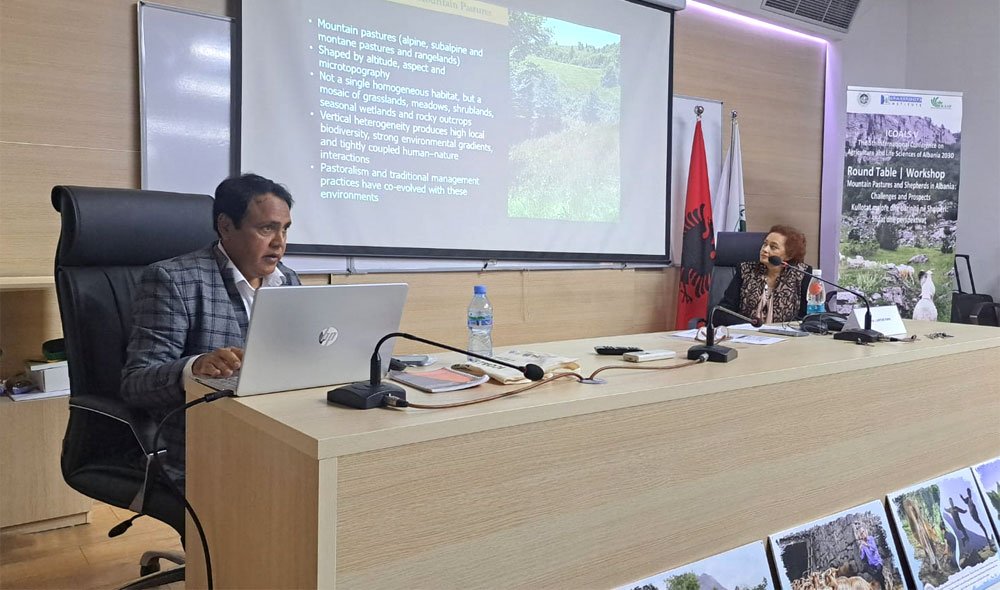
Mountain pastures in Albania hold ecological, cultural, and economic significance, yet they are increasingly under pressure from environmental degradation, socio-economic change, and governance challenges. Mountain pastures are among the world’s richest ecosystems — biologically diverse, productive, and underpinned by centuries-old pastoralist systems. These lands not only supply food, fiber, and ecosystem services but are deeply embedded in local culture and livelihood strategies. In the context of mountain ecosystems, criticality of pastoralism and sustainable pasture management, the following aspects need further description:
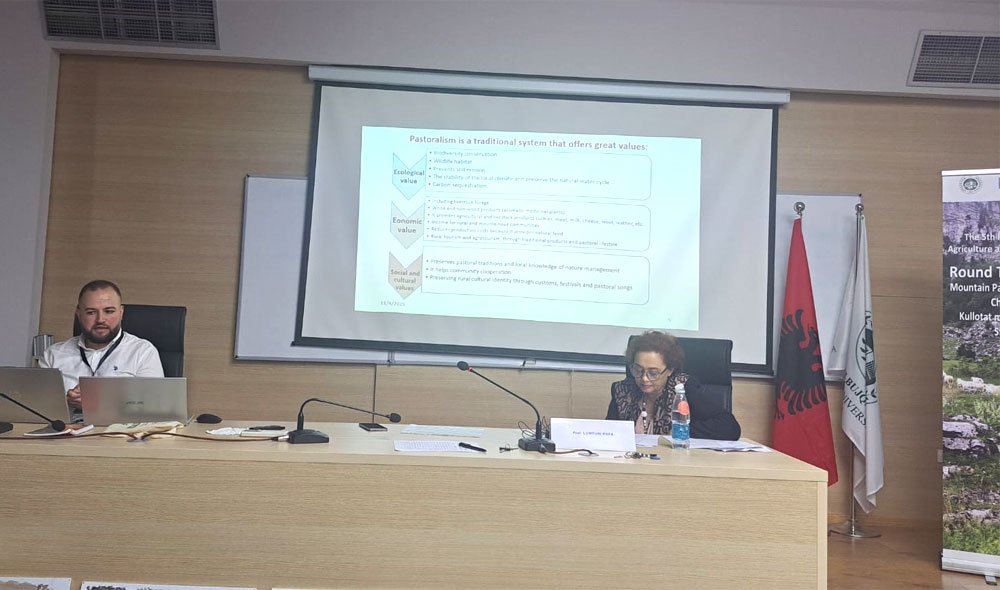
The Value of Pastoralism and Rangeland Commons: Mobile pastoralists manage pastureland commons in ways that are very efficient in resource use, producing high-nutrient foods and other vital products with relatively little financial investment. What is often assumed to be “wilderness” or “unused land” is in fact a managed, dynamic ecosystem shaped by unique heritage of shepherd people. The lifestyles of pastoralists are not incidental; they are central to maintaining the landscapes themselves. The grazing practices, seasonal migration, livestock management, and social norms together form a system that often enhances rather than degrades mountain pastures. Recognition of pastoralists’ rights means protecting these biocultural resources.
Challenges to Pastoralist Rights: Many agrarian, land, and conservation laws do not adequately cater to pastoral modes of life. Policies may treat grazing in protected areas or common lands as threats rather than legitimate livelihood systems, imposing restrictions, enclosures, or land use changes without due recognition of pastoralist people’s interests. “Deep ecologists” or strict environmental protection paradigms frequently view all grazing in natural ecosystems — even traditional grazing — as interference or harm. This leads to policies that displace pastoralists, restrict livestock mobility, or deny Shepherds’ rights to use lands that their ancestors have used. Moreover, although pastoralists produce highly nutritious foods and other rangeland products, they are often inadequately rewarded in markets. The economic system may undervalue their products and overvalue more intensive, settled livestock rearing, contributing to disincentives to maintain mobile pastoralism.
Why Recognition of Rights is Essential: Traditional pastoralist systems include practices tuned to local ecologies — knowing migration routes, timing grazing to forage cycles, managing herd sizes, etc. These practices can be integral to preventing overgrazing, soil erosion, loss of biodiversity, and habitat degradation. Recognizing rights means enabling pastoralists to continue deploying this knowledge. In addition, pastoralist systems are inherently adaptive. Recognizing rights enables herders to use mobility, local forecasting, and traditional practices to respond to climate variability. Without secure rights, pastoralists are often constrained and lose adaptive options. Furthermore, many pastoralist communities are marginalized in policy debates, legal frameworks, or economic decisions. Recognition of their rights is a matter of justice: land tenure, legal protection, and inclusion enable them to sustain their culture and livelihoods for future generations.
Toward Policy & Legal Recognition: Existing legal frameworks must be reviewed and changed where they restrict pastoralist mobility, tenure, or customary rights. Conservation laws should accommodate sustainable grazing as part of ecosystem maintenance rather than excluding pastoralists. Thus, pastoralists themselves must be part of the conversation — in defining land rights, in managing protected areas, and in local and regional decision-making. Capacity-building efforts should help pastoralists engage in legal, ecological, and market systems. Changing public perceptions — particularly among conservationists and regulators — to see pastoralism not as a threat but as an asset is essential. Ensuring that pastoralists’ products are fairly priced, infrastructures like veterinary services adapted to mobile systems, and technologies (e.g. for communication, monitoring) aligned with pastoralist logic can enhance both conservation and livelihoods.
Conclusively, conserving mountain pasturelands and protecting ecological integrity cannot be decoupled from recognizing and securing the rights of pastoralist people. Their rights to land, mobility, customary governance, and equitable participation in markets and policy are integral to sustaining both the human and natural systems of mountain pastures. Legal, normative, and policy interventions that uphold these rights will help ensure that mountain pasture ecosystems remain resilient, productive, and fair — for both nature and pastoralist communities. The shepherds should not be treated merely as livestock keepers but need to be respected as custodians of ecosystems and biocultural heritage, a role recognized globally through initiatives such as the United Nations’ International Year of Rangelands and Pastoralists (2026).
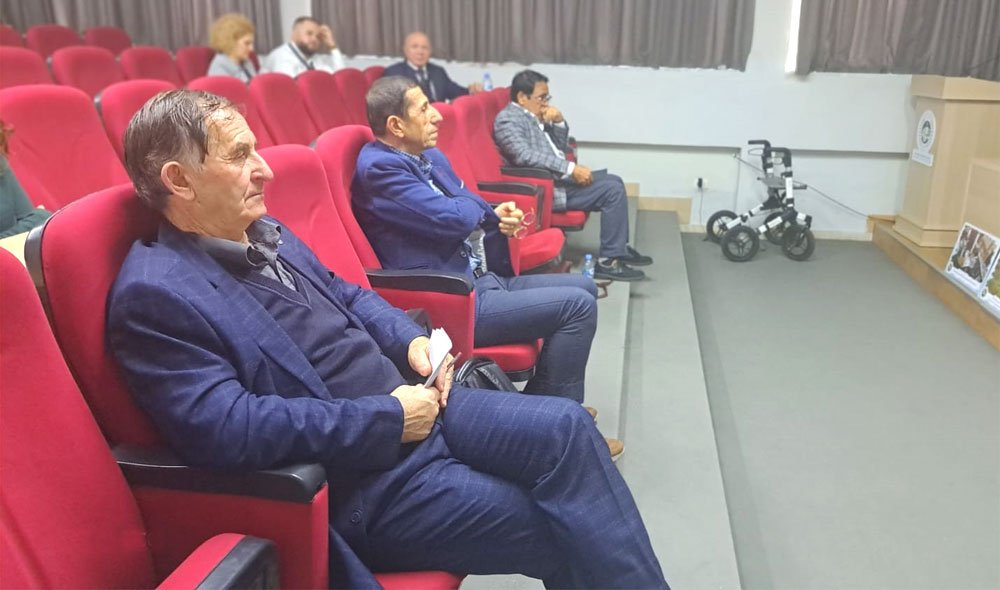
Banking upon the above background and justification, the proposed Round Table Discussion seeks to bring together researchers, policymakers, practitioners, herders, and civil society to examine both the challenges and prospects for sustainable pastoralism in the Western Balkans. This round table aims to create a platform for dialogue, knowledge exchange, and partnership-building that can strengthen the resilience of mountain pastures and the shepherding communities that depend on them.
Key topics of the Round Table will range from the ecological attributes of mountain pastures, which sustain biodiversity, regulate water flows, and support traditional livestock systems, to the traditional interaction of pastures, shepherds, and livestock, highlighting how this enduring relationship preserves cultural landscapes and local livelihoods. The discussion will also address the impacts of climate change and seasonal pasture use, including shifting migration patterns and the pressures of extreme weather. At the same time, debates around grazing as an enemy of natural ecosystems will be revisited, particularly in light of deep ecological perspectives that often contrast with traditional pastoral practices. The Round Table will further consider modern challenges faced by mobile livestock herders in Albania, such as policy restrictions and socio-economic marginalization, alongside critical veterinary issues and livestock mobility restrictions that hinder transhumance. Economic aspects will also feature through a focus on market access and the sustainability of pastoralist products, recognizing the need for fair pricing and value addition. In addition, participants will reflect on the importance of knowledge transmission and youth engagement in pastoralism, ensuring continuity of ecological knowledge and cultural heritage for future generations. Finally, the event will draw these themes together in a concluding session that integrates lessons from the International Year of Rangelands and Pastoralists (IYRP 2026), with a view to inspiring innovative, community-driven solutions and informing global dialogue on the future of pastoralism.
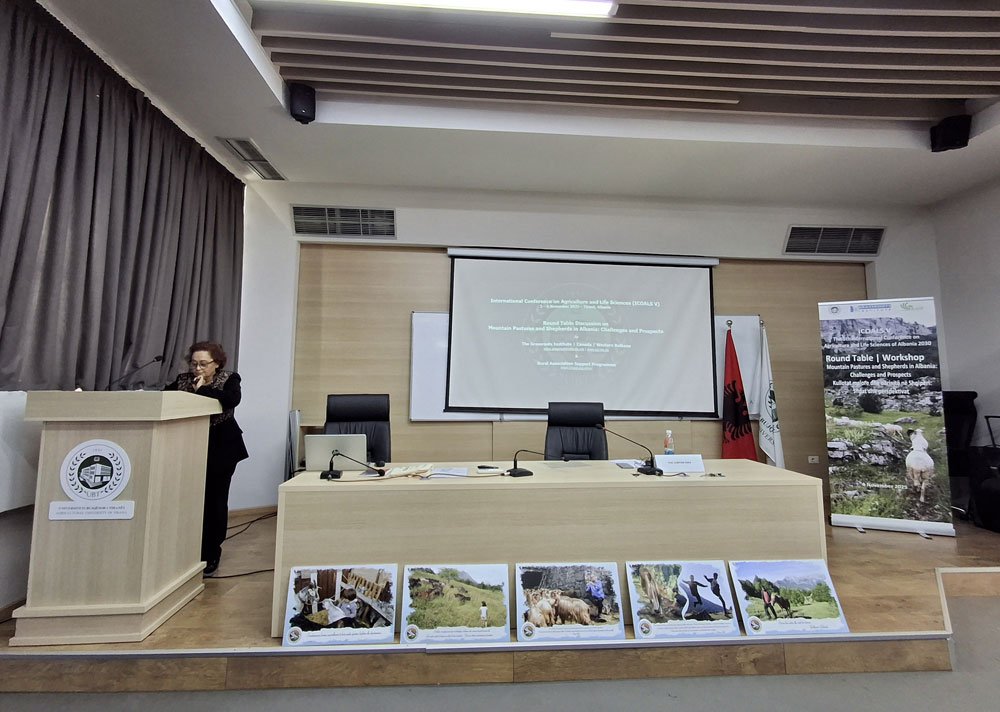
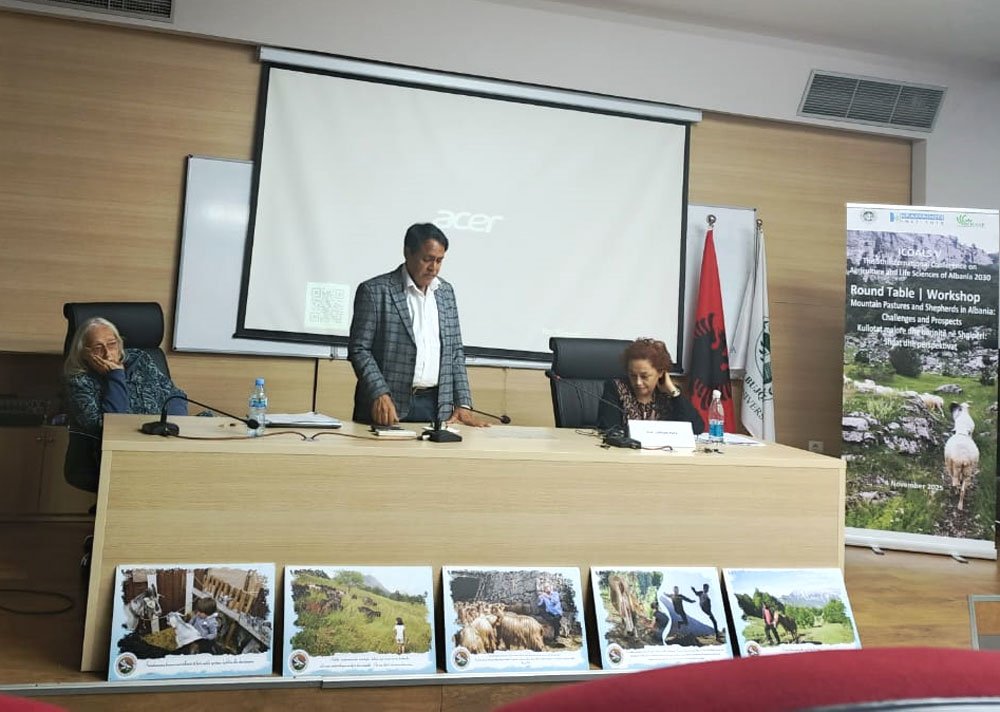
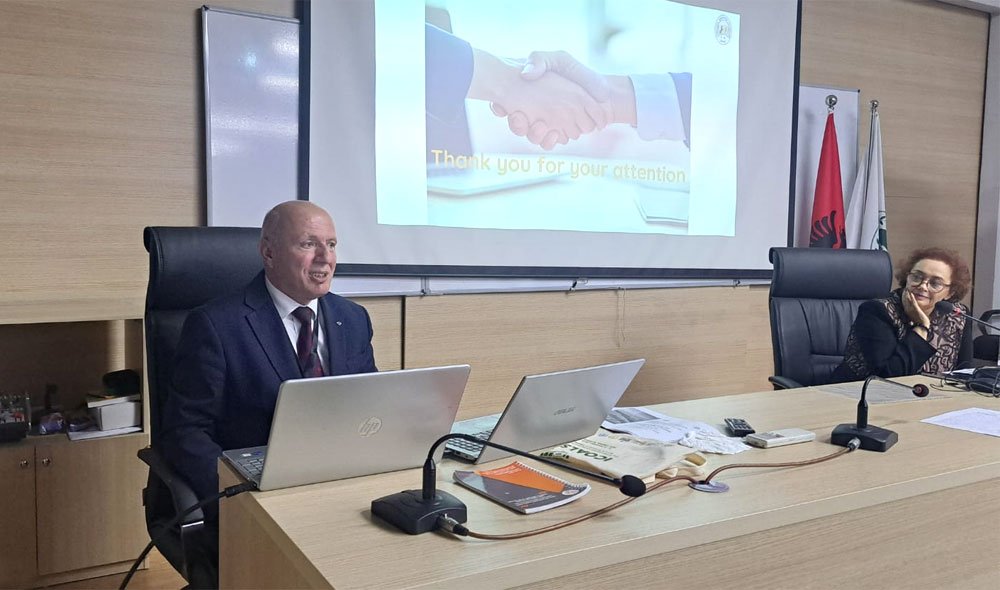
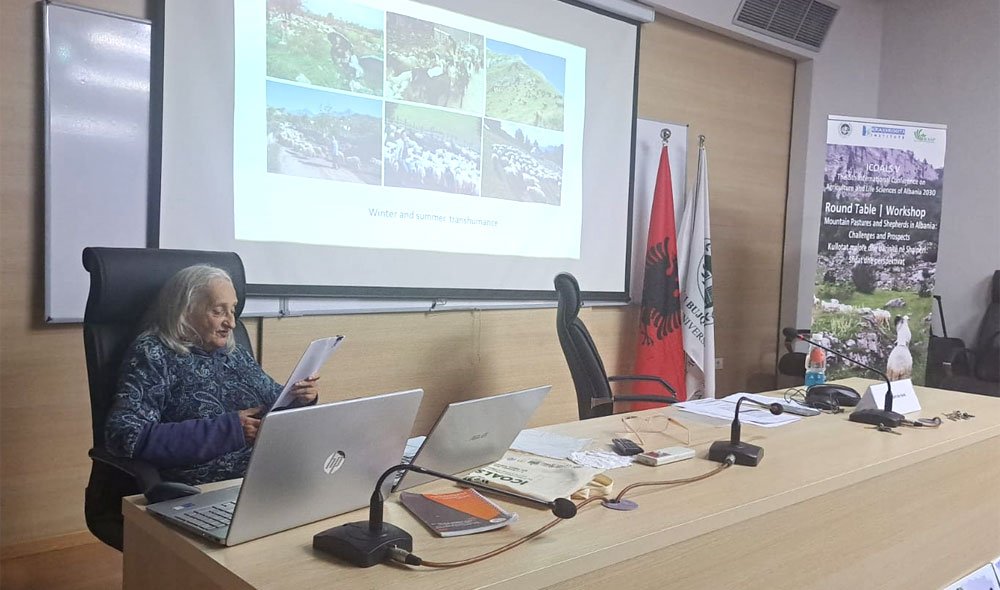
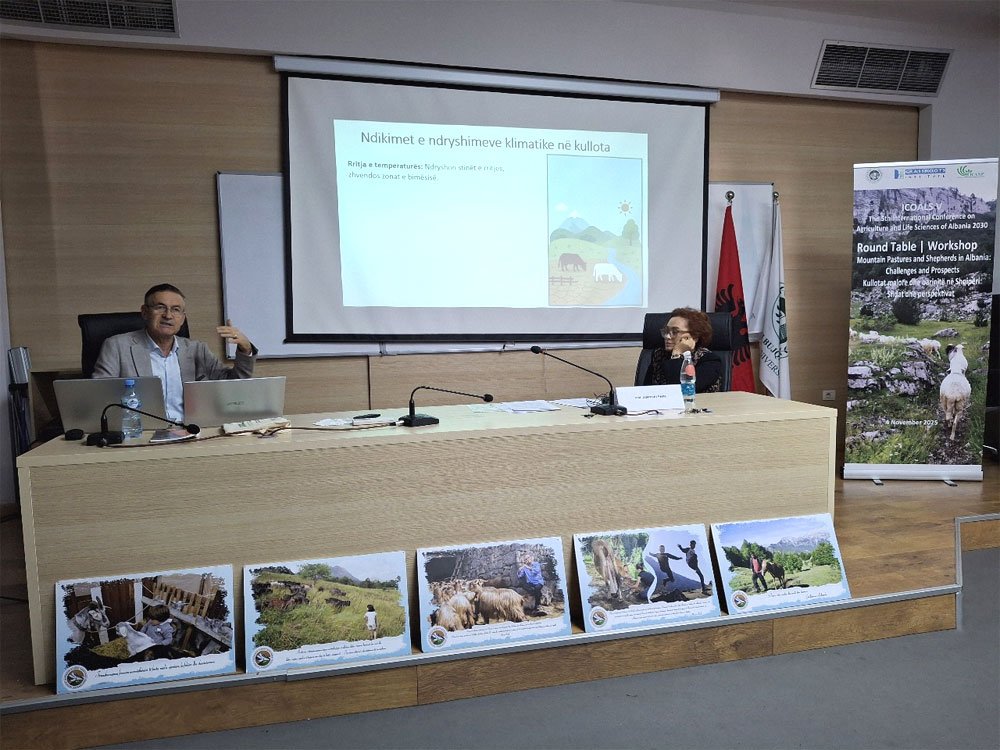
| 14:00 – 17:00 | WORKSHOP 1: Round Table Discussion on Mountain Pastures and Shepherds in Albania: Challenges and Prospects(Room 101, Building B, Faculty of Economy) |
|---|---|
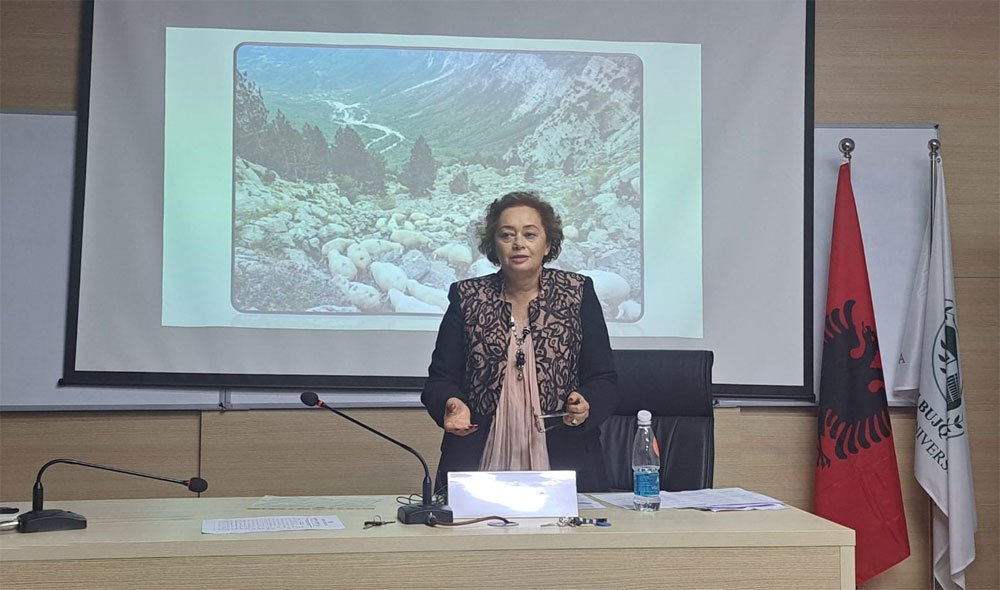
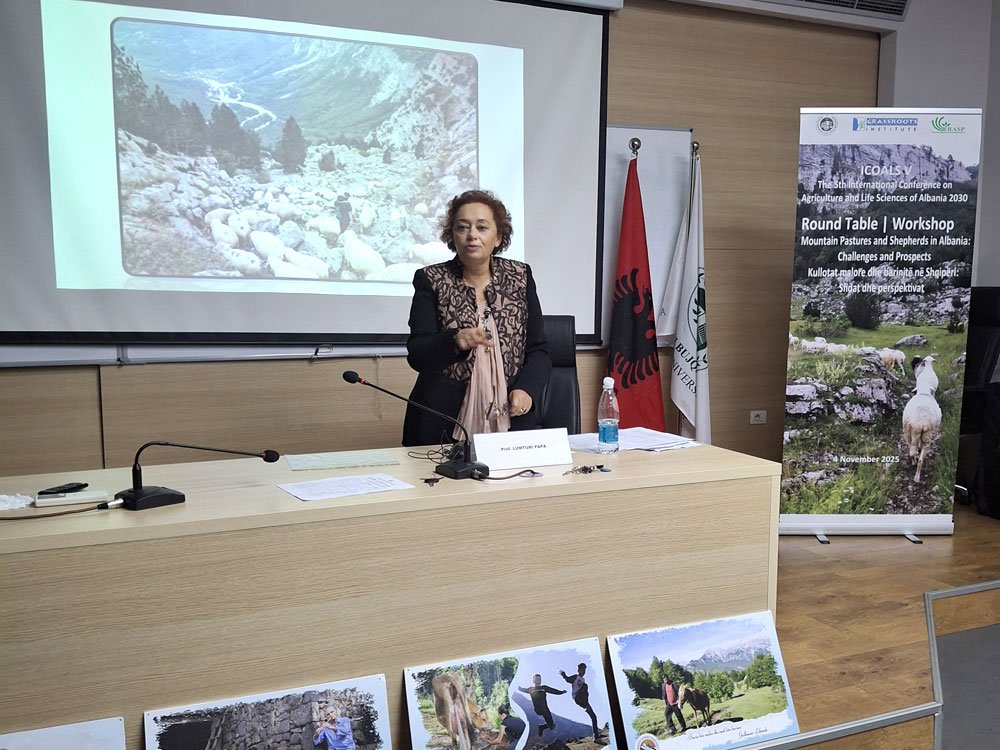
| Chair: Prof. Dr. Lumturi Papa, Faculty of Agriculture and Environment, Agricultural University of Tirana | |
| 14:00 – 14:10 | Opening and Introductory Speech by Chair, Prof. Dr. Lumturi Papa |
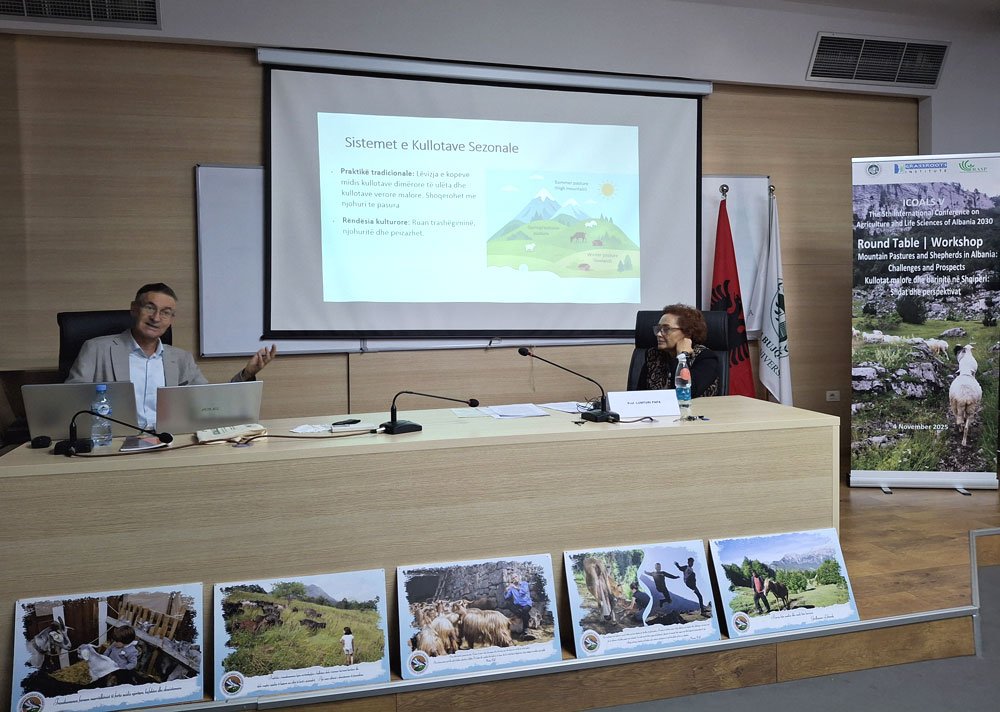
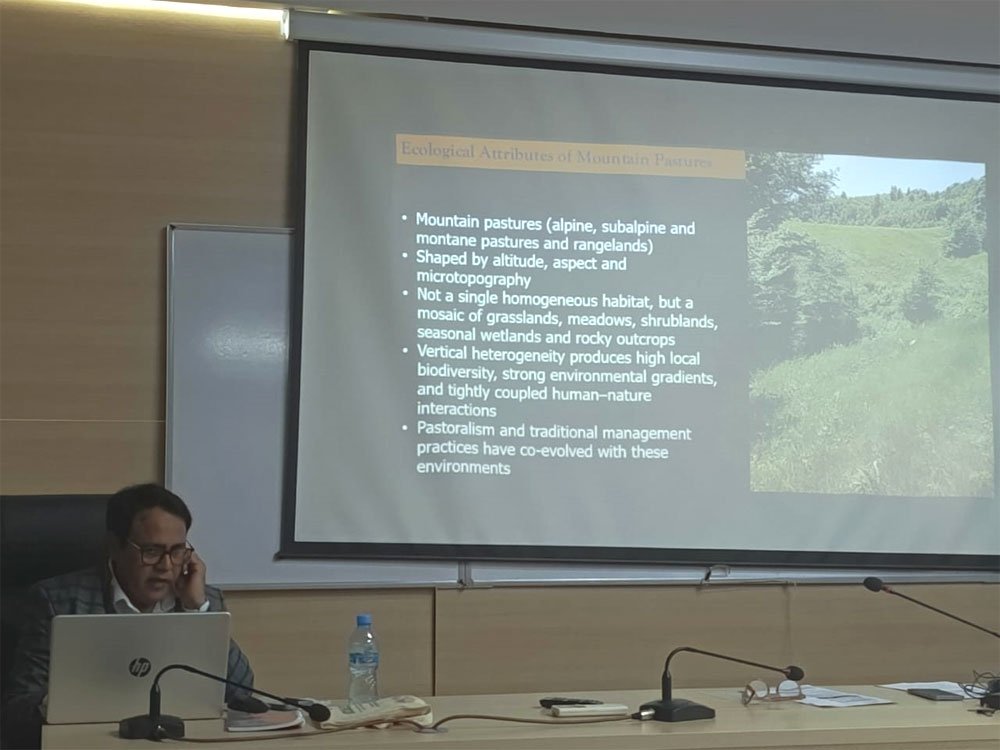
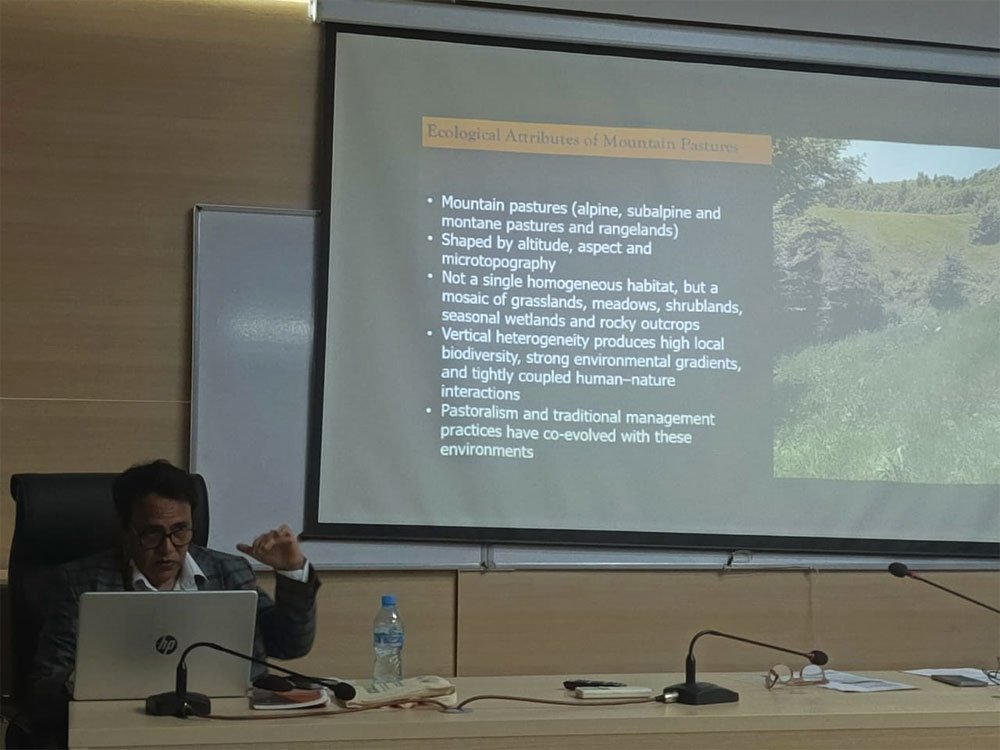
| 14:10 – 14:20 | Ecological Attributes of Mountain Pastures (Dr. Hasrat Arjjumend) |
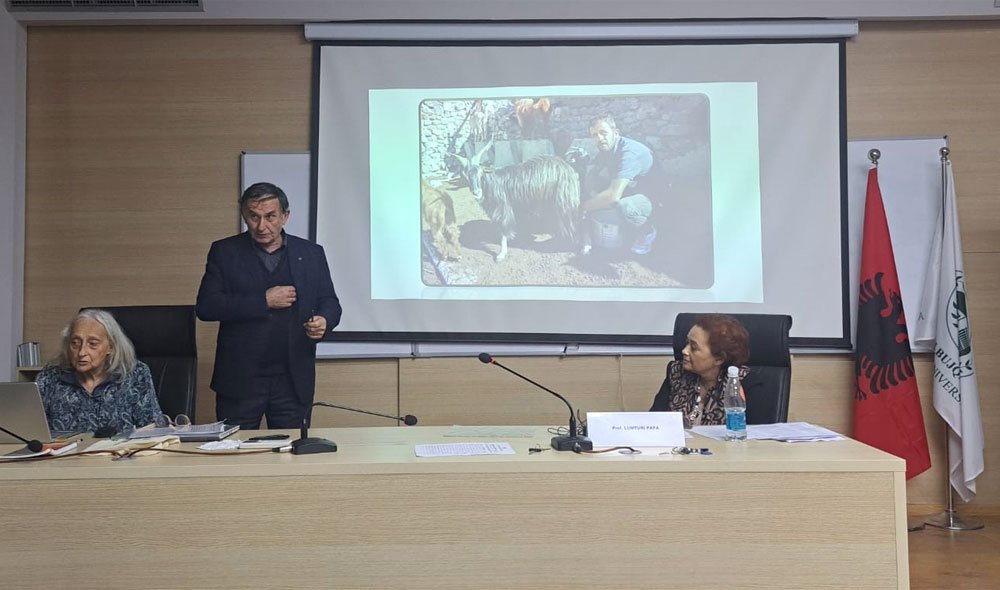
| 14:20 – 14:30 | Traditional Interaction of Pastures, Shepherds and Livestock (M. Martine Wolff, Prof. Dr. Luigj Turmalai) |
| 14:30 – 14:40 | Climate Change and Seasonal Pasture Use (Assoc. Prof. Dr. Petrit Dobi) |
| 14:40 – 14:50 | Grazing as an Enemy of Natural Ecosystems: Dilemma of Deep Ecologists (Dr. Hasrat Arjjumend) |
| 14:50 – 15:00 | Modern Challenges faced by Mobile Livestock Herders in Albania (Ms. Martine Wolff) |
| 15:00 – 15:10 | Veterinary Issues and Livestock Mobility Restrictions (Prof. Dr. Luigj Turmalai) |
| 15:10 – 15:20 | Preservation and Development of Pastoralism in Albania (E. Malaj) |
| 15:20 – 15:30 | IE Knowledge Transmission and Youth Engagement in Pastoralism (Kole Marku) |
| 15:30 – 15:45 | Coffee Break |
| 15:45 – 16:55 | Open discussion involving the audience |
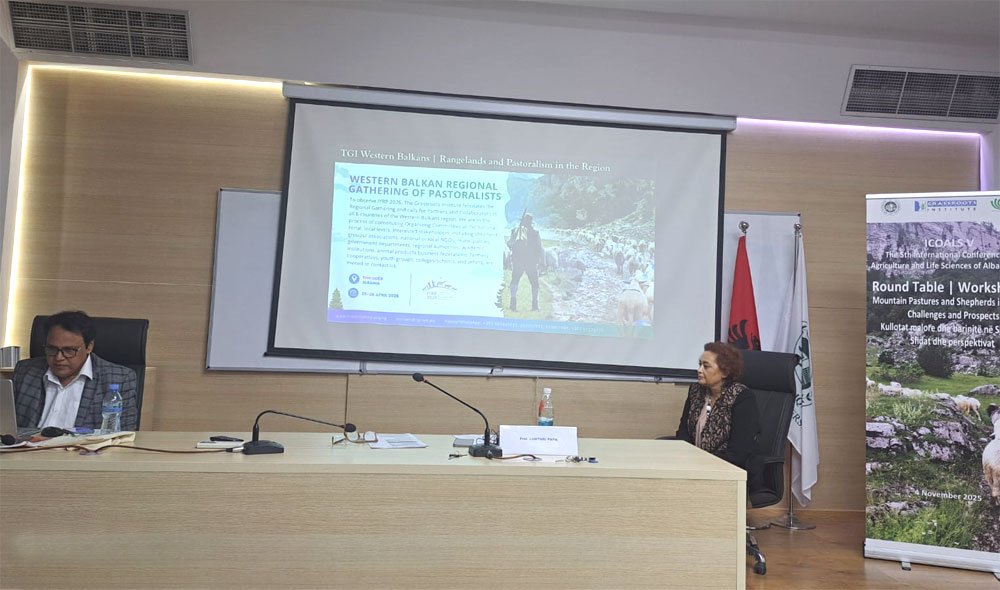
| 16:55 – 17:00 | Conclusion, integrating the IYRP 2026 Global Gathering |
Dr. Hasrat Arjjumend, President, The Grassroots Institute, Canada / Western Balkans
Email: president@grassrootsinstitute.net
Web: https://grassrootsinstitute.net/rangelands-initiative.html
Part-1 | Part-2 | Part-3 | Part-4 | Part-5 | Part-6 | Part-7


© 2020-2026 The Grassroots Institute. All Rights Reserved.


